
ⓘ Your treatments will be conducted at healthcare facilities with a healthcare tourism authorization certificate.
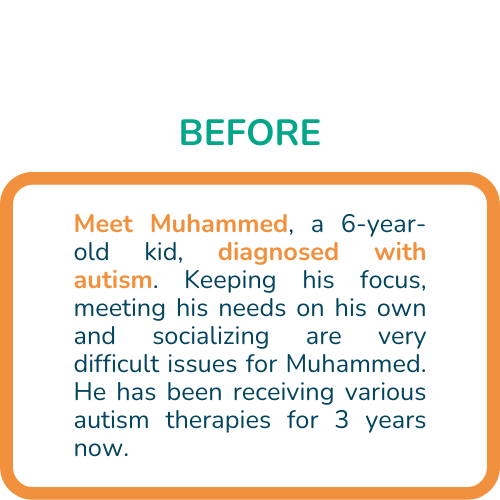

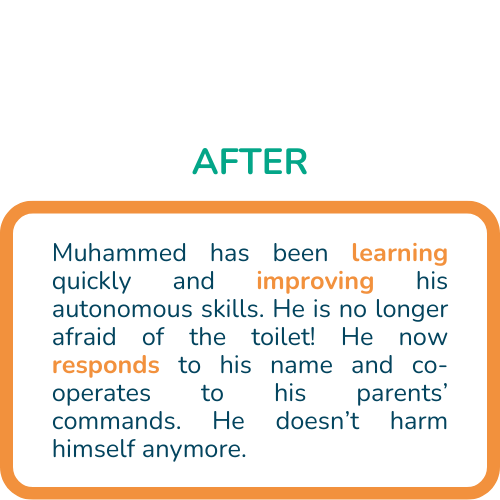
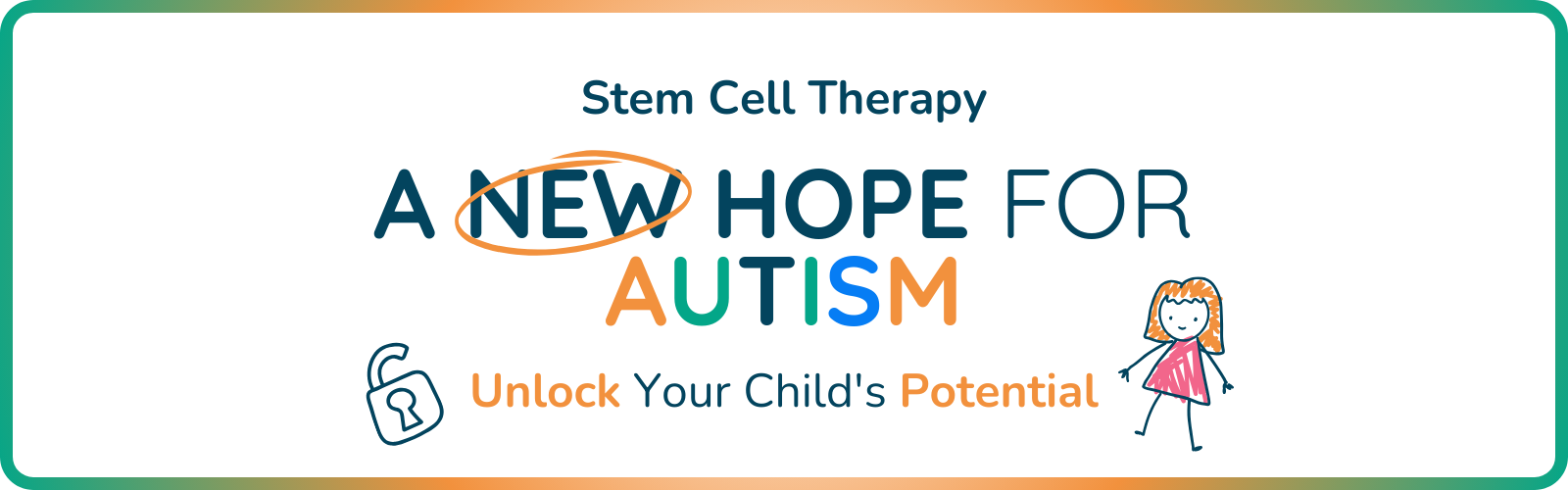
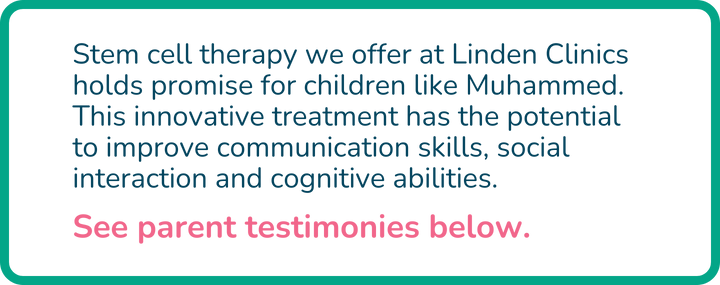
A Promising Journey with Stem Cell Therapy
REPORTED RESULTS
Up to 94%
reported improvement in at least one symptom*
*This percentage is based on internal clinical and follow-up data collected by Linden Health over the years. Individual outcomes may vary.
patients
A Promising Journey with Stem Cell Therapy
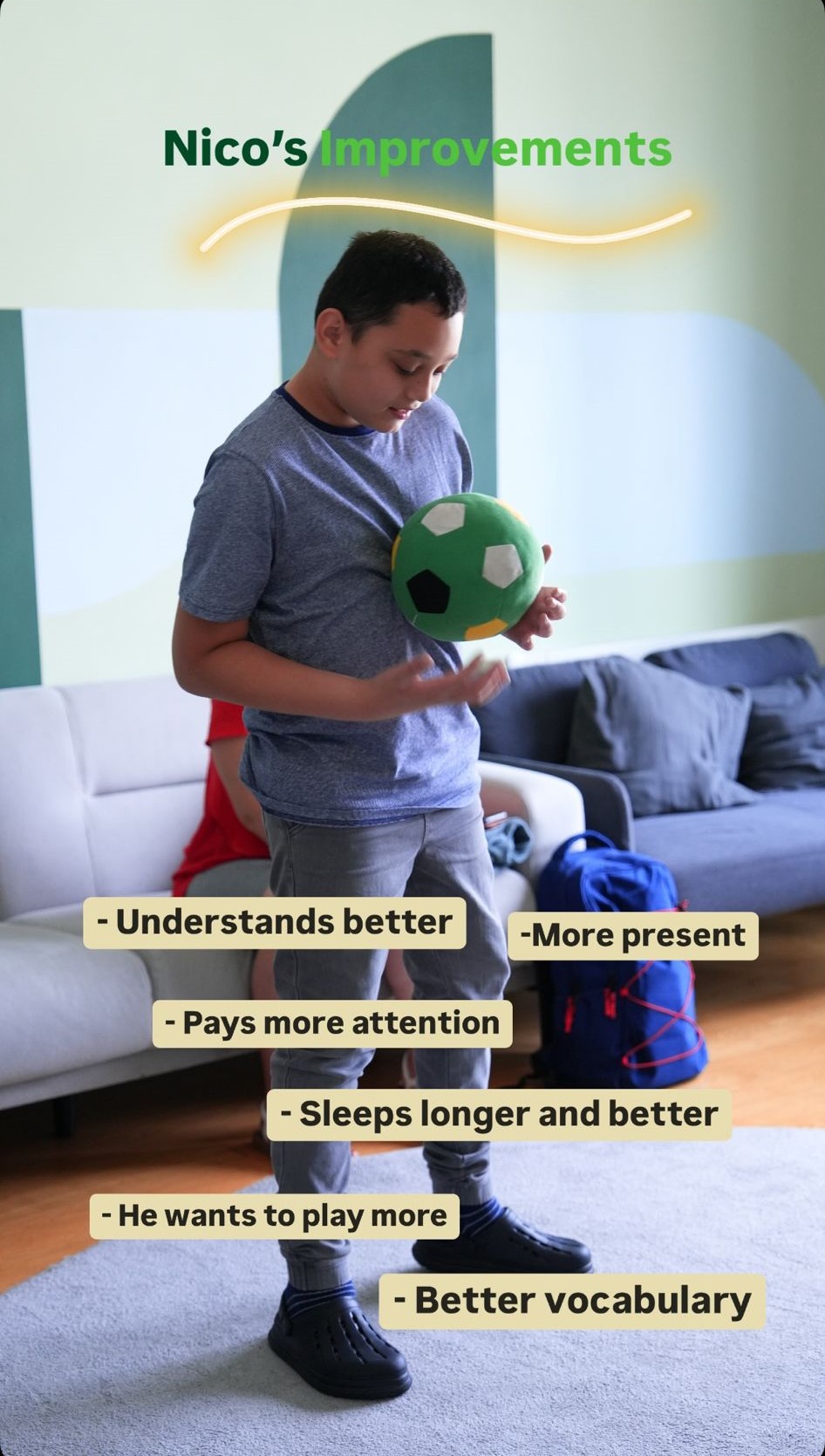
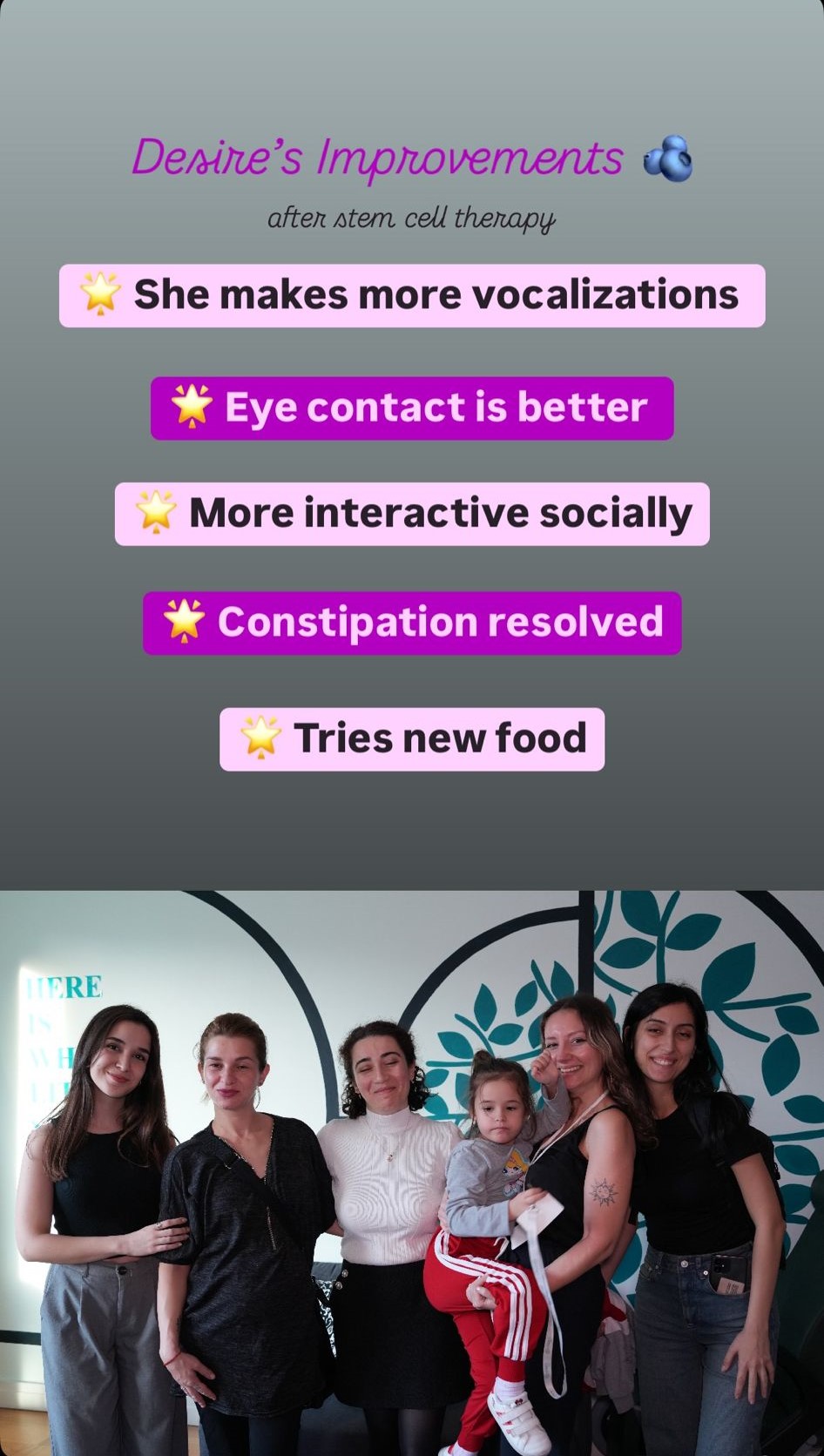
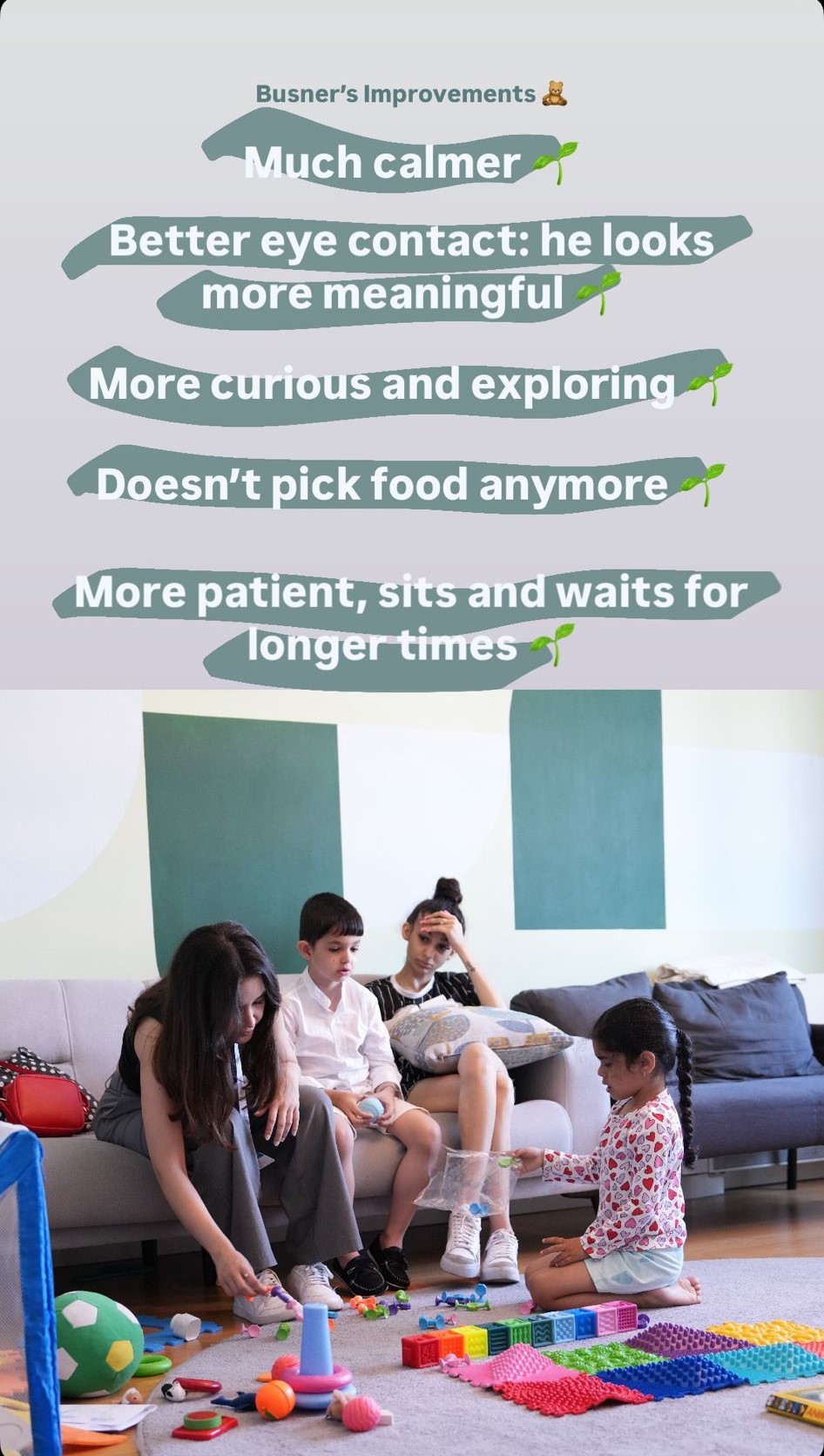
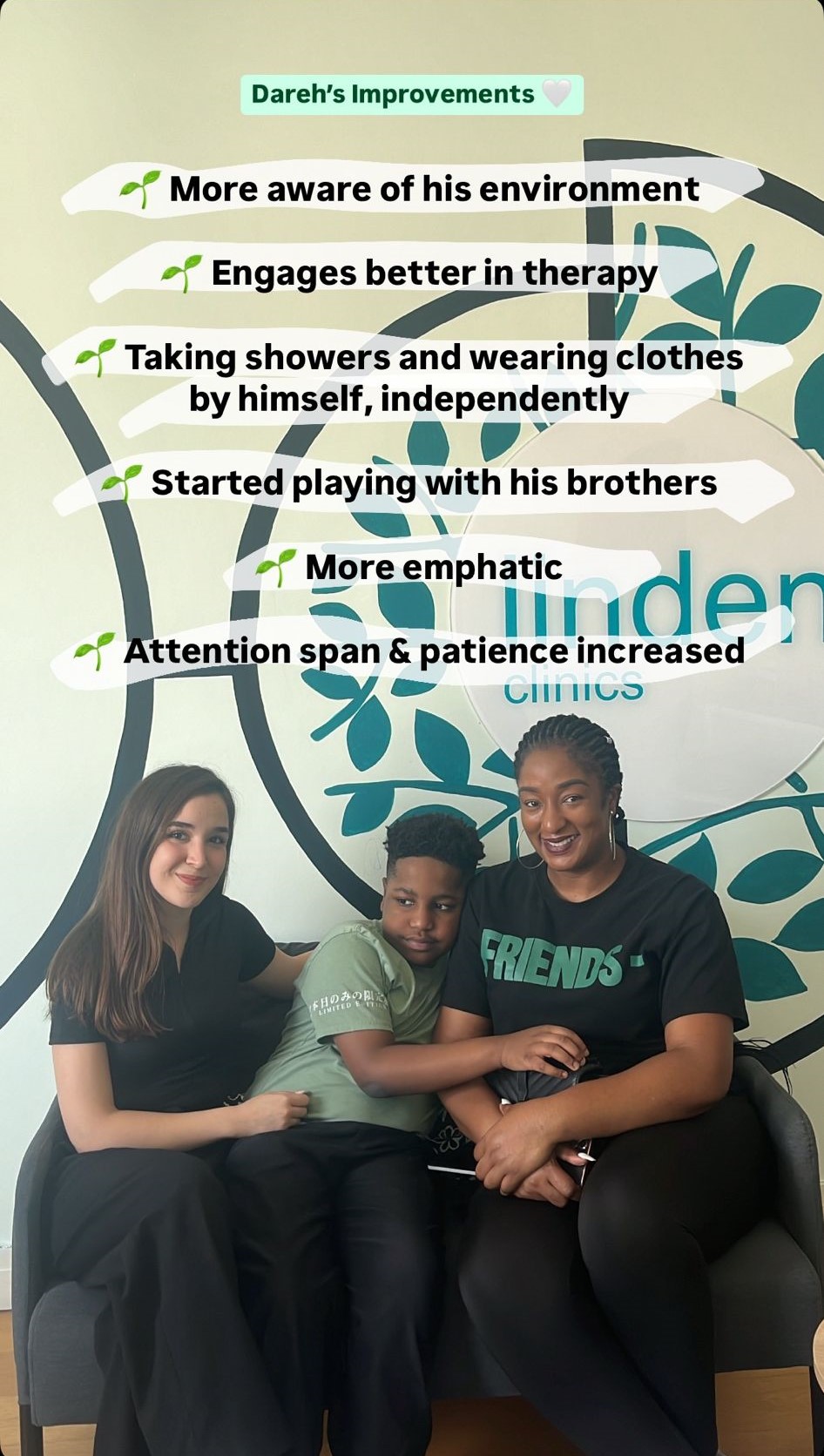
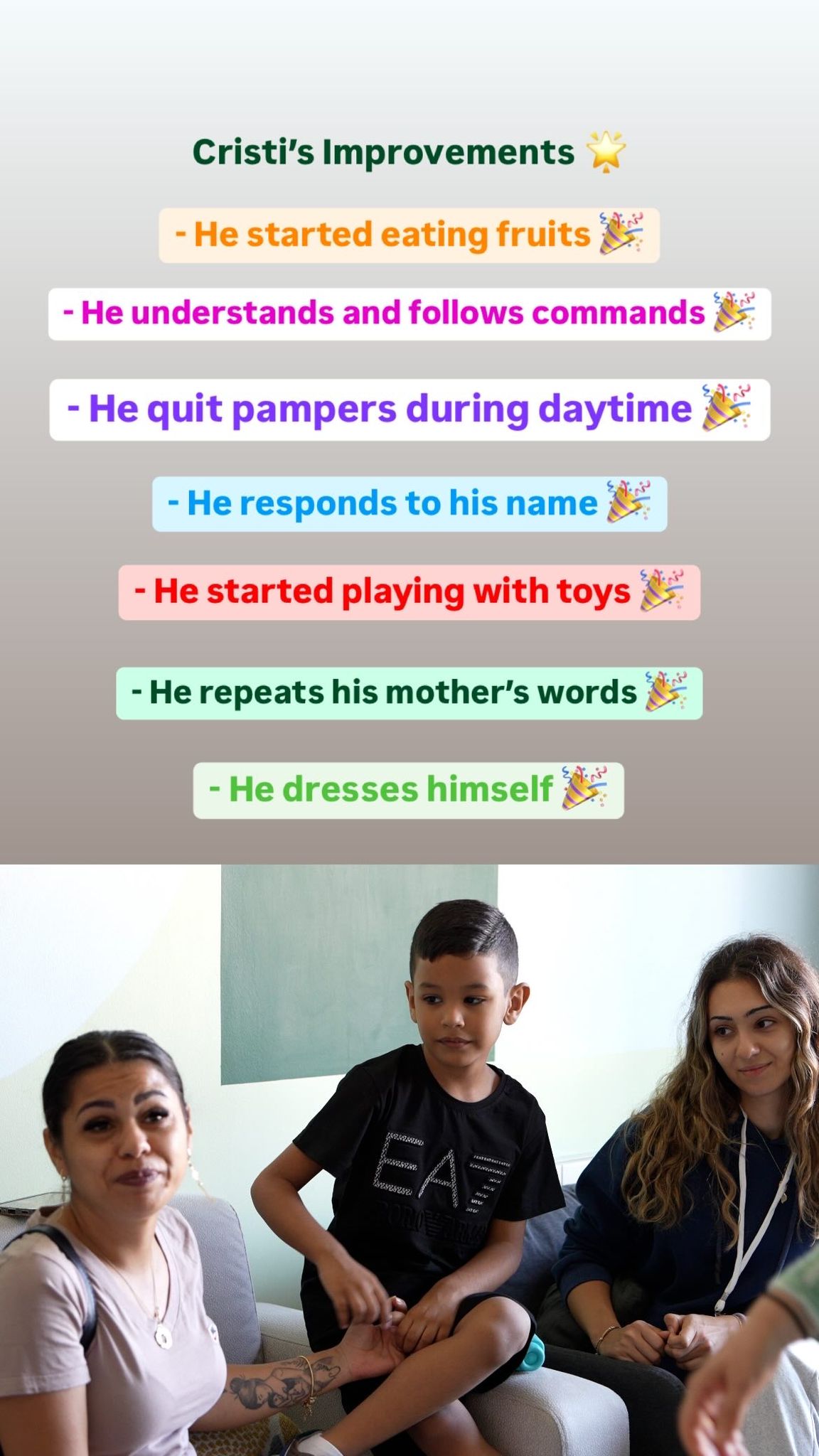
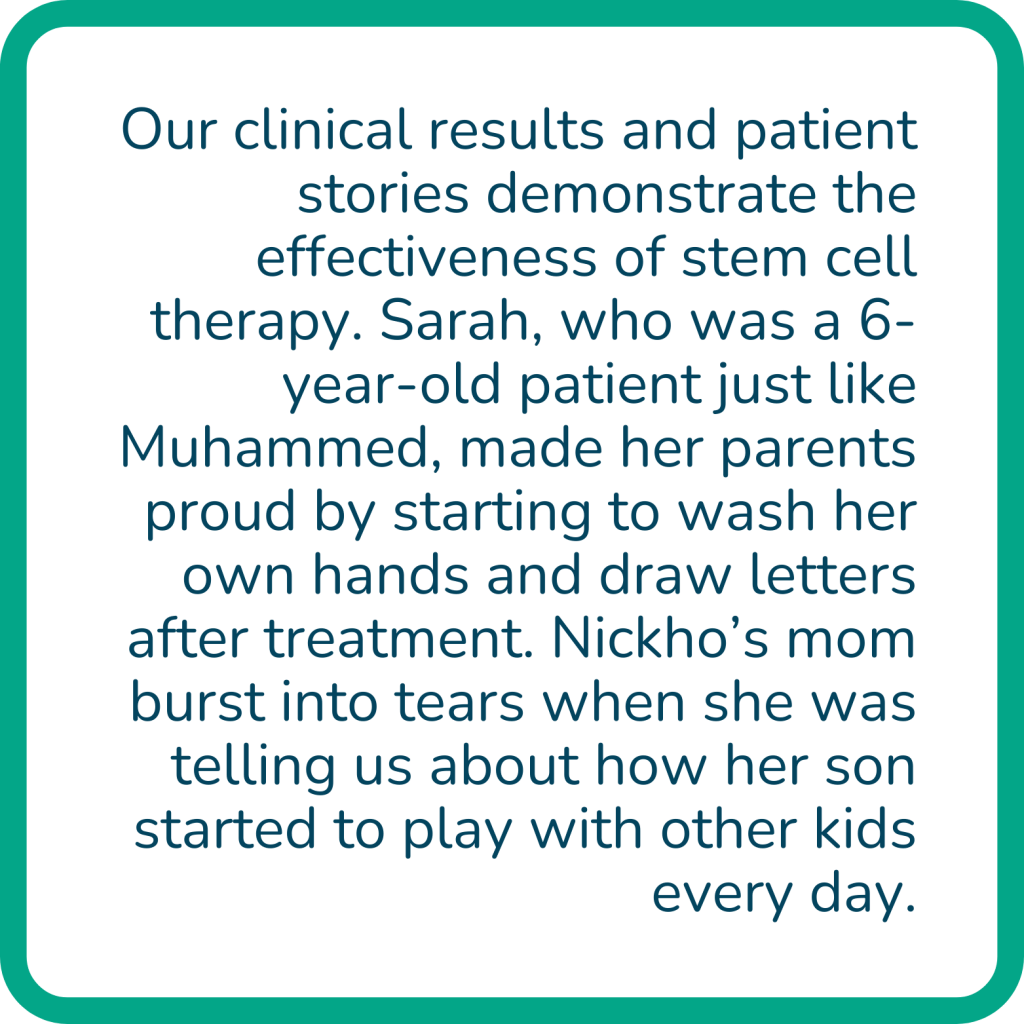
Sarah, 6-year-old
Nickho, 10-year-old
Stem cell therapy at Linden Health is offered as a supportive, science-guided program and is not a cure for autism. Autism is not a disease to be cured, and we do not present it as one. Every child is evaluated individually, and not every child is a candidate; treatment proceeds only after a medical eligibility review. Any improvements described on this page reflect observations shared by individual families and members of our medical team. They represent personal experiences, not guaranteed outcomes. Every child responds differently, and results vary from one individual to another. No specific result, timeline, or level of progress is promised or implied.
Stem Cell Therapy Advanced Questions
Unlike organ transplants, stem cell therapies do not require strict donor–patient matching. Thanks to their immunologically privileged nature, these cells are naturally well accepted by the body.
In addition, all donors undergo strict medical screening, and the cells are carefully tested in the laboratory for safety, purity, and viability. The entire process is conducted under controlled clinical and laboratory standards, ensuring the highest level of patient safety and quality throughout the treatment journey.
Exosomes are tiny biological particles released by stem cells. They contain proteins, growth factors, and signaling molecules that help cells communicate with each other. Through this communication, they support the body’s natural repair mechanisms and help regulate various biological processes.
Exosomes are used because they support communication between cells and help carry biological signals throughout the body. In regenerative treatments, they may help improve cellular signaling within the nervous system and guide processes involved in cellular activity and repair.
No, the spinal stem cell injection is not the same as an epidural. An epidural is an anesthesia technique commonly used during childbirth, while stem cell injections are performed as a planned and controlled medical procedure. The injection is done using a very fine needle, takes only a short time, and no catheter is inserted or left in the body.
Regenerative medicine is a rapidly evolving field, and different countries adopt new medical approaches at different speeds. In some healthcare systems, regulatory approvals and research processes may take longer. As a result, some families choose to travel to countries where regenerative therapies are more accessible and already integrated into clinical practice.
Cell count is one important factor in regenerative treatment, but it is not evaluated alone. A well-planned protocol also considers cell viability, biological quality, preparation standards, and delivery method. These elements work together and can significantly influence the overall treatment approach. For this reason, the focus is not only on how many millions of cells are used, but also on how effectively those cells are prepared and applied for the individual patient.
When stem cells are obtained from your own bone marrow and used during the same procedure, they are typically administered while still fresh and biologically active. Because the cells are not frozen or stored, their viability is generally expected to be high 99.9% . Our Clinical teams focus on minimizing processing time and handling stress to preserve the functional quality of the cells.
No, exosomes and stem cells are not the same. They are distinct biological products with different structures and functions. For this reason, exosome-based approaches and stem cell-based treatments should not be presented as identical. Each has its own biological characteristics, clinical considerations, and potential applications. Exosomes are released from stem cells and serve as one of their components; they function to enhance intercellular communication.
Stem Cell Therapy Frequently Asked Questions
Stem cell therapy is a medical approach involving the use of specific types of stem cells. These cells have distinct biological properties and are being studied in different areas of medicine and research. The way stem cell therapy is used can vary depending on the type and source of the cells, the condition being considered, and the individual treatment protocol.
Health conditions that may benefit from stem cell therapy include neurological and autoimmune disorders, musculoskeletal injuries, metabolic syndrome, skin diseases and other conditions related to damage to tissue or cells. Our medical advisors will evaluate your condition to provide an estimate of the possible outcomes of treatment.
At Linden Stem Cell, families frequently report changes in areas such as speech and communication, attention, social engagement, sensory regulation, behavior, sleep, eating habits, and daily routines, particularly when stem cell therapy is combined with an individualized therapy plan.
Stem cell therapy is not presented as a cure for autism; however, it is used as a supportive medical approach. Outcomes vary between individuals, and each child’s medical history is carefully evaluated by Linden’s Medical Committee to determine the most appropriate treatment protocol.
Stem cell therapy should not be seen as a miracle solution, but as an alternative approach worth considering. For difficult-to-treat and rare diseases, it can contribute to alleviating symptoms, improving overall quality of life and slowing disease progression. In more common health conditions, it has the potential to significantly improve symptoms.
The timing of reported changes can vary from child to child. In many cases, families report noticing changes within the first four months following treatment, while some may observe changes earlier and others later. The timing and extent of any reported improvement depend on the child’s individual profile and should not be considered a guaranteed outcome.
Stem cell therapy is well tolerated when performed in accredited medical facilities under strict clinical protocols. At Linden Stem Cell Clinics, patient safety is the highest priority, and every case is evaluated by the Medical Committee before treatment is recommended.
As with any medical procedure, potential risks and side effects exist. These may include temporary fever, fatigue, headache, local discomfort at the collection or injection site, or short-term inflammatory reactions. Even though these are minor and temporary side effects; close medical monitoring is provided before, during, and after the procedure.
Families are fully informed about possible risks during the medical consultation process, and individualized treatment plans are designed to maximize safety while aiming for the best possible outcomes.
At the clinic, we offer the option of using both autologous (the patient's own) and allogeneic (from donated tissues) stem cells. In the case of autologous stem cells, additional time is required to collect, cultivate and prepare the cells before treatment can begin. In contrast, when using donated cells, treatment can be started immediately, eliminating the need for the cell collection procedure and associated anesthesia. The choice between these two approaches depends on individual circumstances and medical considerations, which our medical experts will assess to determine the most appropriate course of action.
Stem cells can be derived from various tissues in the body. Significant amounts of stem cells are found in bone marrow, adipose (fat) tissue (taken from the patient or donated), and in umbilical cords and placentas taken with consent after a healthy birth. Once collected, the cells are processed and then stored in a bank until they are needed for treatment.
The type of cells used in the clinic are known to be immune privileged. This means that they are not rejected by a recipient's immune system, even if donated. Unlike other treatments that use other protocols and stem cell types, the use of mesenchymal stem cells (MSCs) eliminates the risk of rejection.
In our clinic, we only use mesenchymal stem cells (MSCs) for treatment. It is important to note that these stem cells are derived from adult tissues, not from fetuses or embryos. As a result, MSCs do not have the capacity for uncontrolled differentiation and tumor formation. Extensive research has established the safety profile of these MSCs and provides reassurance for their use in therapeutic applications.
Your stay at the clinic can vary from a few days to several weeks, depending on factors such as treatment goals, the number of procedures required and the specific case being handled. We strive to create a comfortable and warm environment for patients by offering cozy rooms that resemble a home environment rather than a traditional hospital setting. We also understand the importance of emotional support and welcome the company of your loved ones during the treatment process.
The cost of stem cell therapy can vary depending on the treatment plan, cell source, processing requirements, and the level of medical support involved. The overall fee may include cell collection, preparation and processing, clinical procedures, and the expertise of regenerative medicine specialists and other healthcare professionals involved throughout the patient journey. Our team provides families with clear information about the recommended protocol and associated costs following medical evaluation.
Before starting treatment, it is standard procedure to have a comprehensive consultation with a medical advisor at the Clinic. During this consultation, you will have the opportunity to present your case and provide relevant medical reports. The doctors will carefully evaluate your medical history and condition to assess the appropriateness and potential effectiveness of treatment for your specific health condition. Following this assessment, a personalized treatment program will be created for you, including convenient dates for your arrival at the Clinic. This ensures that your treatment plan is tailored to your individual needs and maximizes the chances of a successful outcome.
Online Consultation Form
ⓘ Your treatments will be conducted at healthcare facilities with a healthcare tourism authorization certificate.

ⓘ Your treatments will be conducted at healthcare facilities with a healthcare tourism authorization certificate.
A Promising Journey with Stem Cell Therapy
REPORTED RESULTS
Up to 94%
reported improvement in at least one symptom*
*This percentage is based on internal clinical and follow-up data collected by Linden Health over the years. Individual outcomes may vary.
patients
A Promising Journey with Stem Cell Therapy
Joey, 10 years old
Sarah, 6-year-old
Stem cell therapy at Linden Health is offered as a supportive, science-guided program and is not a cure for autism. Autism is not a disease to be cured, and we do not present it as one. Every child is evaluated individually, and not every child is a candidate; treatment proceeds only after a medical eligibility review. Any improvements described on this page reflect observations shared by individual families and members of our medical team. They represent personal experiences, not guaranteed outcomes. Every child responds differently, and results vary from one individual to another. No specific result, timeline, or level of progress is promised or implied.

Stem Cell Therapy Advanced Questions
Unlike organ transplants, stem cell therapies do not require strict donor–patient matching. Thanks to their immunologically privileged nature, these cells are naturally well accepted by the body.
In addition, all donors undergo strict medical screening, and the cells are carefully tested in the laboratory for safety, purity, and viability. The entire process is conducted under controlled clinical and laboratory standards, ensuring the highest level of patient safety and quality throughout the treatment journey.
Exosomes are tiny biological particles released by stem cells. They contain proteins, growth factors, and signaling molecules that help cells communicate with each other. Through this communication, they support the body’s natural repair mechanisms and help regulate various biological processes.
Exosomes are used because they support communication between cells and help carry biological signals throughout the body. In regenerative treatments, they may help improve cellular signaling within the nervous system and guide processes involved in cellular activity and repair.
No, the spinal stem cell injection is not the same as an epidural. An epidural is an anesthesia technique commonly used during childbirth, while stem cell injections are performed as a planned and controlled medical procedure. The injection is done using a very fine needle, takes only a short time, and no catheter is inserted or left in the body.
Regenerative medicine is a rapidly evolving field, and different countries adopt new medical approaches at different speeds. In some healthcare systems, regulatory approvals and research processes may take longer. As a result, some families choose to travel to countries where regenerative therapies are more accessible and already integrated into clinical practice.
Cell count is one important factor in regenerative treatment, but it is not evaluated alone. A well-planned protocol also considers cell viability, biological quality, preparation standards, and delivery method. These elements work together and can significantly influence the overall treatment approach. For this reason, the focus is not only on how many millions of cells are used, but also on how effectively those cells are prepared and applied for the individual patient.
When stem cells are obtained from your own bone marrow and used during the same procedure, they are typically administered while still fresh and biologically active. Because the cells are not frozen or stored, their viability is generally expected to be high 99.9% . Our Clinical teams focus on minimizing processing time and handling stress to preserve the functional quality of the cells.
No, exosomes and stem cells are not the same. They are distinct biological products with different structures and functions. For this reason, exosome-based approaches and stem cell-based treatments should not be presented as identical. Each has its own biological characteristics, clinical considerations, and potential applications. Exosomes are released from stem cells and serve as one of their components; they function to enhance intercellular communication.
Stem Cell Therapy Frequently Asked Questions
Health conditions that may benefit from stem cell therapy include neurological and autoimmune disorders, musculoskeletal injuries, metabolic syndrome, skin diseases and other conditions related to damage to tissue or cells. Our medical advisors will evaluate your condition to provide an estimate of the possible outcomes of treatment.
Stem cell therapy should not be seen as a miracle solution, but as an alternative approach worth considering. For difficult-to-treat and rare diseases, it can contribute to alleviating symptoms, improving overall quality of life and slowing disease progression. In more common health conditions, it has the potential to significantly improve symptoms.
The safety profile of stem cells used in the clinic has been confirmed by extensive research and clinical trials. However, it is important to note that some patients may experience minor side effects shortly after the administration of the cells, typically in the first few hours or days. These may include short-term fever, redness at the injection sites, weakness or headache.
Although stem cell therapy is generally well tolerated and has no serious side effects, there are some contraindications to the procedure that should be considered. These include conditions such as cancer, acute infections, previous negative experiences with cell-based therapies, mental disorders and some other special conditions. Therefore, we evaluate each patient's medical history and individual suitability for the treatment to ensure optimal safety and effectiveness.
At the clinic, we offer the option of using both autologous (the patient's own) and allogeneic (from donated tissues) stem cells. In the case of autologous stem cells, additional time is required to collect, cultivate and prepare the cells before treatment can begin. In contrast, when using donated cells, treatment can be started immediately, eliminating the need for the cell collection procedure and associated anesthesia. The choice between these two approaches depends on individual circumstances and medical considerations, which our medical experts will assess to determine the most appropriate course of action.
Stem cells can be derived from various tissues in the body. Significant amounts of stem cells are found in bone marrow, adipose (fat) tissue (taken from the patient or donated), and in umbilical cords and placentas taken with consent after a healthy birth. Once collected, the cells are processed and then stored in a bank until they are needed for treatment.
The type of cells used in the clinic are known to be immune privileged. This means that they are not rejected by a recipient's immune system, even if donated. Unlike other treatments that use other protocols and stem cell types, the use of mesenchymal stem cells (MSCs) eliminates the risk of rejection.
In our clinic, we only use mesenchymal stem cells (MSCs) for treatment. It is important to note that these stem cells are derived from adult tissues, not from fetuses or embryos. As a result, MSCs do not have the capacity for uncontrolled differentiation and tumor formation. Extensive research has established the safety profile of these MSCs and provides reassurance for their use in therapeutic applications.
In this approach, only cell-based drugs prepared in laboratories for clinical use are used. These may contain stem cells or exosomes secreted by these cells. During treatment, these cell-based drugs are administered by various routes such as intravenous, topical, inhalation, etc., depending on the medical needs of each patient.
Your stay at the clinic can vary from a few days to several weeks, depending on factors such as treatment goals, the number of procedures required and the specific case being handled. We strive to create a comfortable and warm environment for patients by offering cozy rooms that resemble a home environment rather than a traditional hospital setting. We also understand the importance of emotional support and welcome the company of your loved ones during the treatment process.
Before starting treatment, it is standard procedure to have a comprehensive consultation with a medical advisor at the Clinic. During this consultation, you will have the opportunity to present your case and provide relevant medical reports. The doctors will carefully evaluate your medical history and condition to assess the appropriateness and potential effectiveness of treatment for your specific health condition. Following this assessment, a personalized treatment program will be created for you, including convenient dates for your arrival at the Clinic. This ensures that your treatment plan is tailored to your individual needs and maximizes the chances of a successful outcome.
Do you have questions?
ⓘ Your treatments will be conducted at healthcare facilities with a healthcare tourism authorization certificate.