Meta Description: Raising neurotypical and autistic siblings together comes with unique challenges and joys. Discover practical advice from Linden Stem Cell Clinic on managing jealousy, explaining autism, and using art and cooking to build unbreakable sibling bonds.
Introduction: The Sibling Bond in a Special Needs Family
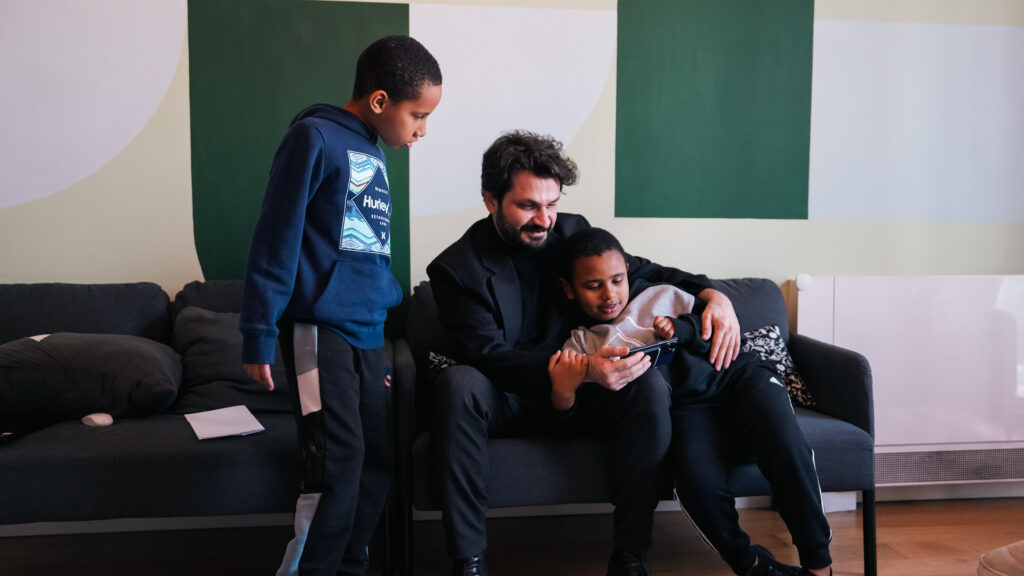
If you are a parent raising both a neurotypical child and a child on the autism spectrum, you know that your home is a unique mix of love, chaos, and learning. You are not just a parent; you are a referee, a translator, and a therapist all rolled into one.
Parents often ask us at Linden Stem Cell Clinic: “How do I make sure my other children don’t feel left out?” or “How do I explain autism to my 5-year-old?”
The truth is, siblings of autistic children often grow up to be incredibly empathetic, resilient, and kind adults. But getting there requires guidance. Drawing from our holistic approach to family wellness—and a deep belief in the power of creativity—here is our guide to helping your children grow up, not just alongside each other, but with each other.
1. The “Autism Talk”: Age-Appropriate Honesty
The most important advice we can give is to remove the mystery. Children are observant. If you don’t explain why their brother or sister acts differently, they will make up their own (often incorrect) explanations.
For Toddlers and Preschoolers
Keep it simple and concrete.
● The “Different Operating System” Analogy: Explain that brains are like tablets or computers. “Your brother’s brain works a little differently, just like how an Android is different from an iPhone. They both do cool things, but they run different apps.”
● Focus on Sensory: “Loud noises hurt her ears like a pinch hurts your arm, so that’s why she covers them.”
For School-Aged Children
This is the age where they notice social differences.
● Use Books: Reading is a powerful tool. Find children’s books about autism to read together. It takes the pressure off you to find the perfect words and gives them a character to relate to.
● The “Superpower” Narrative: Be honest about the struggles, but highlight the strengths. Does their sibling have an incredible memory? Are they amazing at drawing? Frame autism as a mix of challenges and unique talents.
2. Bridging the Gap: Creative Activities to Do Together
One of the biggest hurdles is finding things your children can actually enjoy together. If one child is non-verbal or has sensory sensitivities, standard board games might not work.
This is where creativity becomes your secret weapon.
The “Parallel Play” Art Session
Drawing and writing are universal languages. You don’t need to talk to create art side-by-side.
● Advice: Set up a “Creation Station” with large paper and crayons. Let the neurotypical sibling draw their story, while the autistic sibling draws theirs (or engages in sensory play with the materials).
● Why it works: It creates a shared space without the pressure of “taking turns” or following complex rules. They are together, creating, in their own zones.
Sensory-Friendly Cooking
Cooking is one of the best ways to bond because it engages all the senses—touch, smell, sight, and taste.
● Advice: Involve them in making a simple meal. Maybe one child washes the vegetables (water play) while the other reads the recipe.
● The Goal: Eventually, you can create a family “Cookbook” of recipes that everyone enjoys—foods that are safe for your autistic child’s sensory needs but delicious for the whole family. This validates everyone’s preferences.
3. The “Fairness” Trap: Managing Jealousy “It’s not fair! He gets away with everything!”
You will hear this. It is normal. The life of a special needs family often revolves around the child with the highest needs (therapy appointments, dietary restrictions, meltdowns). The neurotypical sibling can often feel like the “glass child”—seen through, but not seen.
Equal Needs, Different Support
Explain to your children that fairness doesn’t mean everyone gets the same thing; it means everyone gets what they need.
● Example: “Your brother needs help getting dressed, but you need help with your math homework. I help you both with what is hard for you.”
The “Just You” Time
This is non-negotiable. You must carve out 15–20 minutes a day that is strictly for your neurotypical child.
● No Autism Talk: During this time, do not talk about their sibling, therapy, or the clinic. Talk about their day, their friends, and their art.
● Validation: If they say they are embarrassed by their sibling’s behavior in public, validate it. Don’t scold them. Say, “I know it was hard when he screamed in the store. It’s okay to feel frustrated.”
4. Empowering Them as Advocates
Your neurotypical child will eventually face questions from their friends: “Why does your brother flap his hands?” or “Why doesn’t he talk?”
If they don’t know what to say, they will feel ashamed. If you arm them with the right words, they will feel empowered.
Give Them a Script
Teach them simple, confident responses:
● “His brain is wired to hear things louder than we do, so he shouts to block it out.” ● “He doesn’t speak with his mouth, he speaks with his iPad/pictures.” ● “He’s not being mean, he just gets overwhelmed easily.”
When your child defends or explains their sibling to a friend, they aren’t just protecting their sibling—they are claiming their identity as a proud brother or sister.
5. Life at Linden: Explaining the “Doctors”
Since you are part of the Linden Stem Cell Clinic family, your children might wonder why their sibling goes to the doctor so much or gets special treatments.
● Explain the “Boost”: You can explain that the treatments (like stem cells) are like giving their sibling’s brain a “super-boost” to help them learn and grow faster. ● Involve Them: If appropriate, let them come to the waiting room. Let them draw a picture for the nurses. Making the clinic a familiar, friendly place reduces anxiety for everyone.
Key Takeaways for Parents
1. Validate Everything: Let your neurotypical child be angry, jealous, or sad. These feelings are safe.
2. Create “Us” Rituals: Whether it’s Sunday morning pancakes or Friday night drawing sessions, find a ritual that includes everyone, regardless of ability.
3. Celebrate Differences: Make your home a place where “different” is celebrated, not just tolerated.
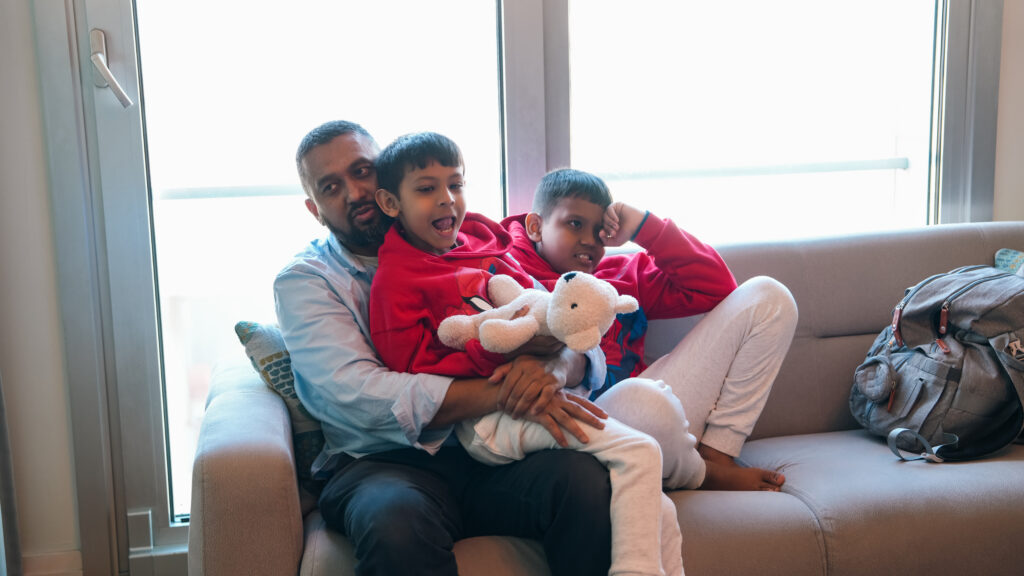
At Linden, we believe in healing the whole family. By nurturing the bond between your children today, you are building a support system that will last them a lifetime.
Do you have more questions about navigating life with autism? Check out our other resources on the Linden blog, or contact us to learn more about how our regenerative therapies fit into a holistic family lifestyle.