
Introduction: The Question Every Family Asks
One of the first questions parents ask after an autism diagnosis is simple but profound:
“Why did this happen?”
Autism Spectrum Disorder (ASD) is a neurodevelopmental condition that affects communication, behavior, and social interaction. Some children may experience speech delay, reduced eye contact, stimming, sensory sensitivities, or challenges with emotional regulation. Others may be nonverbal children, communicating through gestures or nonverbal behavior rather than spoken language.
Despite decades of research, autism does not have a single cause. Instead, scientists now understand that autism develops through a complex combination of genetic, biological, and environmental factors that influence early brain development.
Understanding these factors can help families move away from blame and toward informed support.
The Genetic Foundations of Autism
The strongest scientific evidence points to genetics as a major contributor to autism.
Large-scale genomic studies show that hundreds of genes are associated with brain development, synaptic communication, and immune regulation. Variations in these genes can influence how neural networks form during early childhood.
Researchers studying twins and families have consistently observed that autism often runs in families, supporting the idea that genetic susceptibility plays a central role.
However, genetics alone rarely tells the whole story.
Brain Development and Neurological Differences
Neuroscience research indicates that autism involves differences in how the brain processes information.
Some areas frequently studied include:
- Neural connectivity between brain regions
- Sensory processing networks
- Immune signaling within the brain
- Neurotransmitter balance
These differences may contribute to traits such as:
- lack of eye contact
- challenges in non verbal communication
- repetitive behaviors such as stimming
- difficulties transitioning from non verbal to verbal communication
Importantly, autism represents a spectrum, meaning each child’s neurological profile is unique.
Environmental and Prenatal Influences
Scientists also examine environmental factors that may interact with genetic susceptibility during pregnancy or early infancy.
These include areas of ongoing research such as:
- prenatal immune responses
- maternal infections during pregnancy
- metabolic influences during fetal development
- early-life inflammation
Some discussions have historically focused on topics like heavy metal exposure, vaccines such as the MMR vaccine, or environmental toxins. However, major public health organizations including systems such as the NHS have repeatedly stated that vaccines do not cause autism.
Current research continues to explore how genetics and environment interact, rather than searching for a single isolated cause.
Why Symptoms Appear in Early Childhood
Autism often becomes noticeable in early developmental milestones.
Parents may first observe:
- speech delay
- reduced eye contact
- limited response to name
- repetitive movements or stimming
- difficulties in non verbal classroom communication
- challenges with sleep, including sleeping problems in children
These signs usually appear because early childhood is when brain networks responsible for communication and social interaction rapidly develop.
The Expanding Field of Autism Research
As our understanding of autism biology evolves, researchers are exploring a wide range of approaches that may support neurological regulation and developmental progress.
These include:
- behavioral and speech therapies
- educational interventions
- neurofeedback autism therapy
- studies on HBOT for autism treatment
- investigations into immune and gut-brain interactions
Stem cell research is revolutionizing modern medicine — harnessing the extraordinary power of cells to reduce inflammation and unlock the body’s own neural repair mechanisms.
Scientists studying mesenchymal stem cells have been particularly interested in their immunomodulatory and regenerative properties.
Understanding Stem Cell Research in Autism
Stem cell therapeutics focus on how stem cells support biological processes such as:
- reducing neuroinflammation
- supporting neural signaling pathways
- promoting cellular repair mechanisms
Families searching online for stem cell treatment near me, or stemcell therapy near me are encouraged to evaluate medical centers carefully and focus on safety, scientific transparency, and ethical oversight.
Safety and Ethical Considerations
Questions families often ask include:
- Is stem cell treatment safe?
- Are there any stem cell donor risks?
- What evidence exists for stem cell therapeutics in autism?
Medical experts emphasize that responsible treatment programs must include:
- physician supervision
- ethical review protocols
- proper stem cell lab standards
- clear safety monitoring
Parents should also be cautious of unregulated products marketed online, such as stem cell activation patches, stem cell patches x39, or stem cell regeneration patch devices, which often lack strong clinical evidence.
Comparing Different Autism Therapies
Families exploring treatment options frequently compare multiple approaches.
Some widely discussed interventions include:
- neurofeedback autism therapy
- HBOT for autism treatment
- fecal transplant autism reviews
- dietary approaches
- behavioral therapies
Every child responds differently, which is why specialists emphasize individualized care plans rather than universal solutions.
Individualized Care and Regenerative Medicine
Regenerative medicine aims to understand how cellular therapies influence neurological and immune processes.
Centers offering stem cell therapy Turkey programs or advanced regenerative treatments often use protocols involving umbilical cord-derived mesenchymal stem cells or bone marrow-derived cells.
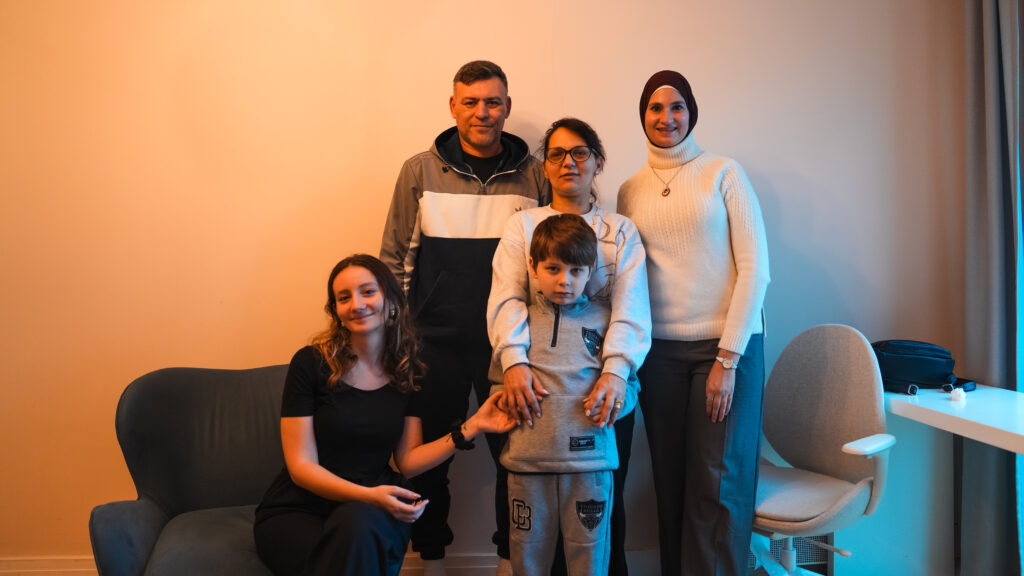
At Linden Health, each child is evaluated individually and family needs are carefully considered.
Clinical decisions are guided by medical evaluation, developmental history, and careful assessment.
Families seeking Stem Cell Therapy for Autism Reviews, Stem Cell Therapy Autism Research, or insights into Stem Cell Therapy Autism Success Rate are encouraged to focus on transparent scientific evidence and realistic expectations.
Conclusion: Autism Is Complex — and Understanding Continues to Grow
The question “Why is autism caused?” does not have a single answer.
Current science shows autism arises from a combination of:
- genetic predisposition
- neurological development differences
- environmental influences
Rather than focusing on blame, modern research focuses on understanding biology, improving therapies, and supporting families.
Advances in neuroscience, behavioral therapy, and regenerative medicine continue to expand what we know — and how we can help children thrive.
If you would like to learn more about autism research or discuss supportive options for your child, you can reach out to the team at Linden Health. Our specialists carefully evaluate each child’s developmental profile and guide families through safe, evidence-informed care pathways.