
Meta Description
Learn practical and compassionate ways to support speech and communication development in autistic children through connection-based strategies, sensory regulation, and everyday interaction.
Speech delay is one of the most emotional and deeply personal challenges many families experience after an autism diagnosis. Parents naturally long to hear their child communicate their needs, emotions, and personality more clearly. However, communication in autism is often far more complex than spoken words alone.
Children on the spectrum may process language differently, struggle with motor planning, become overwhelmed by sensory input, or find social interaction exhausting. Some children speak later than expected, while others use gestures, sounds, or alternative communication systems instead of verbal language.
Communication Is More Than Spoken Words
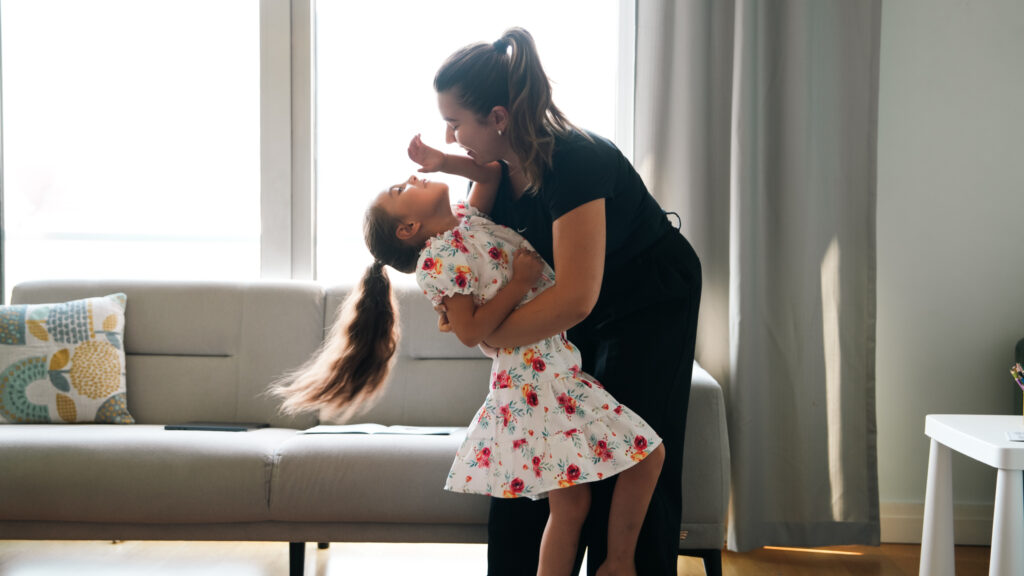
One of the most important things families can understand is that communication does not begin and end with speech. Eye contact, gestures, pointing, facial expressions, and even body movement are all forms of communication.
Speech therapists frequently emphasize that reducing pressure around speech can actually help communication develop more naturally. Children often communicate more successfully when they feel emotionally safe and understood rather than constantly corrected or pushed to perform verbally.
Why Sensory Regulation Impacts Speech Development
Many autistic children struggle to communicate when they are overstimulated. Loud sounds, bright lights, crowded environments, or unexpected transitions can overwhelm the nervous system and reduce verbal output.
This is why sensory-friendly routines and calming environments are often just as important as language exercises themselves. Children who feel regulated and physically comfortable are generally more available for interaction and learning.
The Importance of Everyday Language Exposure
Experts often encourage parents to narrate simple daily activities naturally throughout the day. Describing actions during cooking, dressing, playing, or walking outside creates low-pressure opportunities for language exposure.
Rather than constantly asking children to repeat words, communication specialists often recommend modeling short, simple phrases consistently. Over time, repetitive exposure may help children feel more familiar and confident with language patterns.
Music, rhythm, and repetitive songs can also support speech development because many autistic children process predictable auditory patterns more comfortably than direct verbal instruction.
AAC Devices and Alternative Communication Methods
Modern communication support has evolved significantly through AAC systems, including picture communication tools and speech-generating devices. Contrary to outdated myths, AAC does not prevent speech development.
In many cases, alternative communication tools reduce frustration and encourage children to engage more confidently with communication overall. Many speech therapists now view AAC as an empowering support rather than a “last resort.”
What Autism Research Continues to Explore
Families researching Stem Cell Therapy for Autism Reviews, Stem Cell Therapy Autism Success Rate, or Stem Cell Therapy Autism Research are often searching for ways to support communication, speech development, and overall developmental outcomes.
Stem Cell Therapy for Autism may help support speech-related improvements by targeting areas connected to inflammation, neural connectivity, and nervous system function.
However, speech progress is also strongly connected to responsive communication environments, emotional regulation, family interaction, and consistent developmental therapies. Stem Cell Therapy should be considered as part of a broader support plan, not as a replacement for speech therapy, behavioral support, or family-centered care.
Supporting Connection Before Perfection
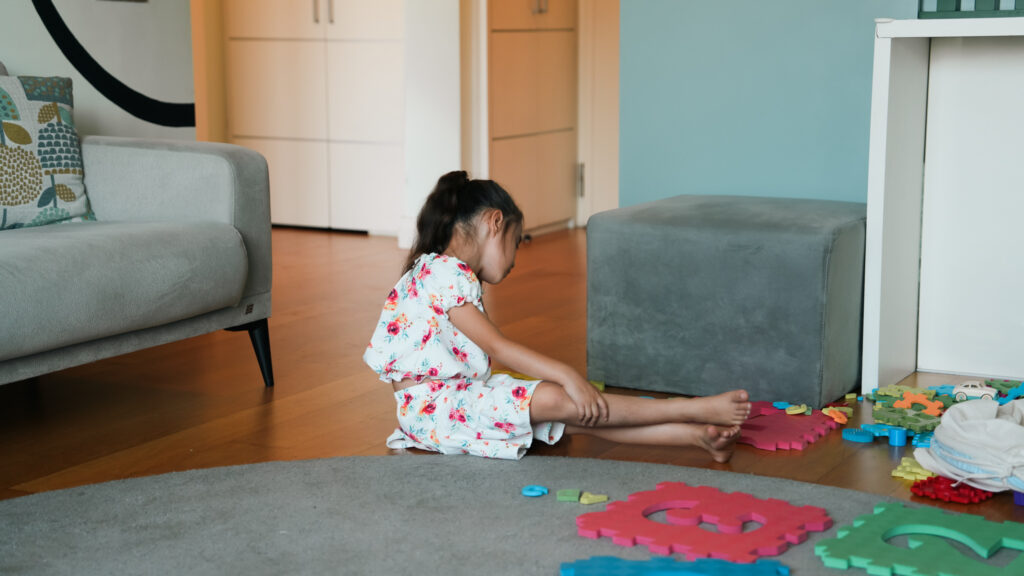
Every child’s communication journey is different. Some children progress gradually, others experience sudden breakthroughs, and some continue using alternative communication methods successfully into adulthood.
What matters most is helping children feel understood, respected, and emotionally safe enough to connect with the people around them. Meaningful communication is always more important than perfect speech.
Conclusion
Autism communication support should always focus on the whole child, not only spoken words. Stem Cell Therapy for Autism is used for its potential role in supporting speech, communication, and neurodevelopmental progress, the strongest outcomes often come from combining medical innovation with consistent therapy, family involvement, emotional safety, and patience. Every step toward connection is meaningful progress.