One of the questions autism specialists hear most often from parents is:
“Why does my child watch the same video over and over again?”
Whether it’s the same cartoon, a short YouTube clip, or a specific movie scene, many children with autism spectrum disorder (ASD) prefer watching familiar content repeatedly.
For parents, this behavior can be confusing. Some worry that excessive repetition limits learning, while others wonder whether they should stop it altogether.
In reality, repetitive video watching is often connected to the way autistic children process information, regulate emotions, and interact with their environment. Understanding why autistic children repeat videos is the first step toward supporting healthy development while respecting their individual needs.
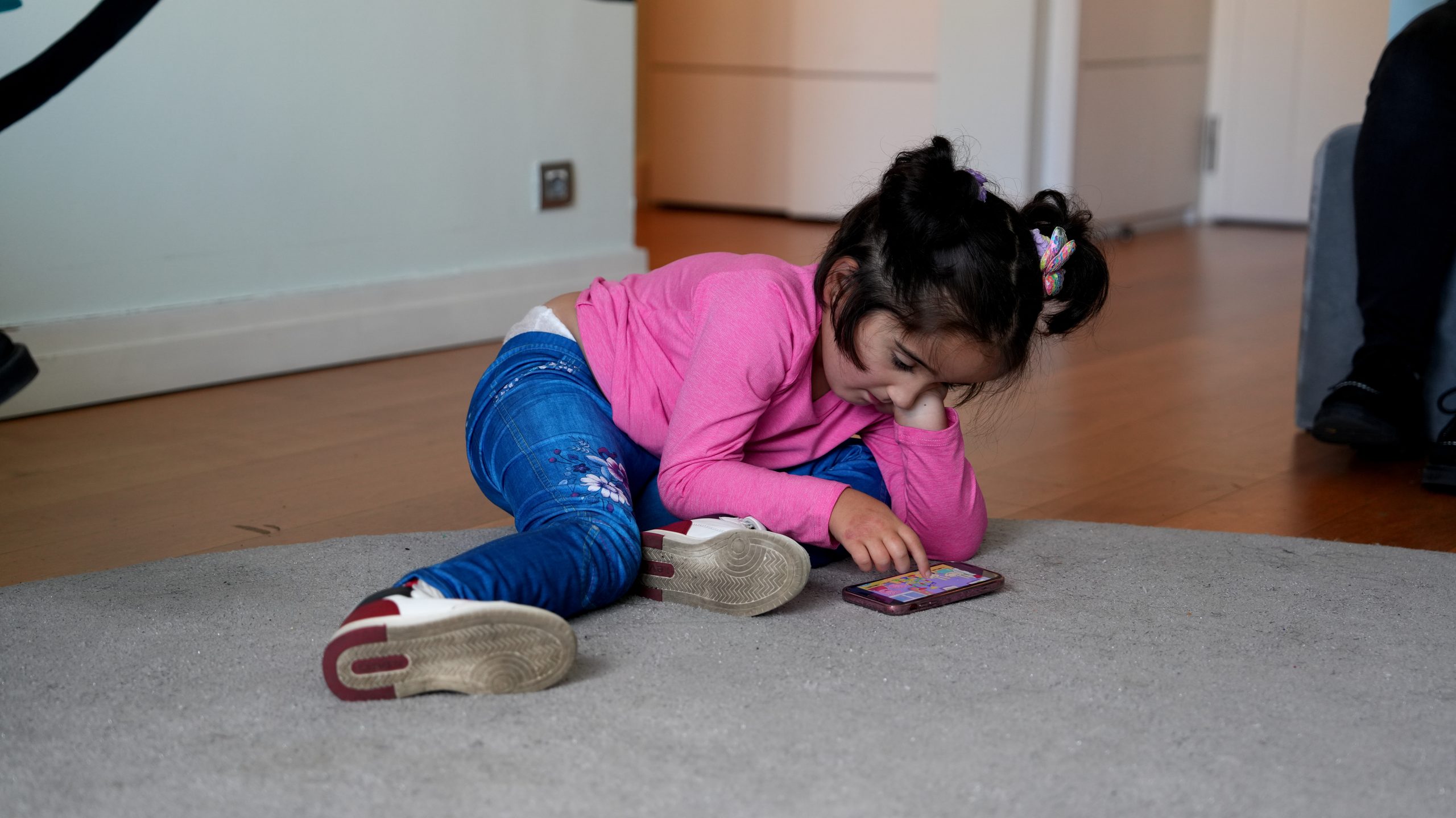
Why Do Autistic Children Watch the Same Video Repeatedly?
Watching the same video repeatedly is a form of autism repetitive behavior, one of the core characteristics of autism spectrum disorder.
Repetition often provides something many autistic children naturally seek:
- predictability
- familiarity
- emotional comfort
- sensory regulation
- consistency
Unlike new videos, familiar content contains no unexpected surprises.
The child already knows:
- what will happen next
- what each character will say
- how the sounds and music will unfold
- when exciting or emotional moments will occur
For many children, this predictability reduces stress and creates a sense of safety.
Autism Restricted Interests: More Than Just a Favorite Cartoon
Many autistic children develop restricted interests, becoming deeply interested in a particular topic, object, or activity.
Sometimes this interest involves:
- one television show
- a favorite character
- vehicle videos
- alphabet songs
- spinning objects
- educational animations
This does not necessarily mean the child is “addicted” to the content.
Instead, the repeated viewing often reflects the brain’s preference for familiar, highly predictable information.
Parents frequently describe an autistic child obsessed with videos, but in many cases, the behavior is part of a broader pattern of focused interests commonly seen in autism.
Autism, Screen Time, and Sensory Regulation
For some children, videos are not only entertaining—they also help regulate the nervous system.
Many autistic children experience differences in:
- sensory processing
- attention regulation
- emotional regulation
A familiar video can provide:
- predictable visual input
- familiar sounds
- consistent pacing
- reduced uncertainty
This is one reason repetitive viewing is sometimes associated with autism sensory behavior.
However, every child is different. While some children appear calmer after watching familiar videos, others may become more dysregulated if screen time is excessive or interferes with sleep, social interaction, or learning opportunities.
Is Watching the Same Video a Form of Stimming?
In some cases, yes.
Many specialists consider repetitive video watching to be one of several possible autism stimming behaviors.
Stimming refers to repetitive actions that help regulate emotions or sensory experiences.
Examples include:
- hand flapping
- rocking
- repeating sounds
- spinning objects
- replaying the same video
These behaviors often help children manage excitement, anxiety, or sensory overload.
Rather than asking how to eliminate every repetitive behavior, professionals often ask:
“What purpose does this behavior serve for the child?”
Understanding the function of the behavior helps families respond more effectively.
When Should Parents Be Concerned?
Watching favorite videos is not automatically a problem.
Parents may wish to seek guidance if repetitive viewing:
- replaces nearly all other activities
- interferes with communication development
- limits social interaction
- causes distress when interrupted
- affects sleep or daily routines
In these situations, a developmental specialist can help determine whether additional support strategies would be beneficial.
Autism Behavior Management: Expanding Interests Without Conflict
Many parents ask whether they should stop repetitive video watching altogether.
In most cases, specialists recommend expanding activities gradually rather than removing preferred interests abruptly.
Helpful strategies include:
Use Favorite Videos as Learning Opportunities
Pause videos to encourage:
- naming objects
- answering simple questions
- practicing turn-taking
- imitation
A child’s favorite interest can become a powerful teaching tool.
Introduce Similar Content
If a child enjoys one cartoon, gradually introduce:
- similar characters
- related themes
- educational versions
This gently broadens interests without creating unnecessary stress.
Create Predictable Screen Time
Structured routines often work better than unlimited access.
For example:
- morning learning activities
- scheduled video time
- outdoor play
- therapy sessions
- family activities
Predictable routines reduce conflict while helping children transition between activities.
Autism Communication and Behavior: Looking Beyond the Screen
It is important to remember that repetitive video watching is usually a symptom rather than the underlying issue.
Behavior is influenced by many factors, including:
- communication abilities
- sensory processing
- emotional regulation
- developmental stage
- environmental stress
As communication skills improve, many children naturally begin exploring a wider range of activities and interests.
This is why autism treatment often focuses on building functional communication and developmental skills, rather than simply reducing repetitive behaviors.
A Comprehensive Approach to Autism Treatment
Autism care is most effective when it addresses the child as a whole.
Depending on the child’s needs, a treatment plan may include:
- behavioral therapy
- speech and language therapy
- occupational therapy
- sensory integration strategies
- parent coaching
- educational support
Each intervention contributes to different aspects of communication, learning, emotional regulation, and independence.
Where Stem Cell Therapy and Regenerative Medicine Fit Into Autism Care
Alongside established developmental therapies, some families explore regenerative medicine for autism as part of a comprehensive treatment plan.
In regenerative medicine, stem cell therapy is used because stem cells can interact with surrounding cells and support biological processes related to cellular communication and tissue regulation.
Researchers continue to study how these biological mechanisms relate to brain development and autism.
Many families report improvements in areas such as:
- attention
- communication
- behavioral regulation
- social engagement
following stem cell therapy for autism, particularly when treatment is combined with structured developmental interventions, behavioral therapies, and consistent home routines.
Rather than replacing established therapies, autism stem cell treatment is generally integrated into a multidisciplinary care plan developed by experienced healthcare professionals.
Supporting Parents Through Everyday Challenges
Parents often worry that repetitive video watching means they are “doing something wrong.”
In reality, this behavior is common in autism and usually reflects the child’s attempt to regulate their environment.
The most effective approach is not to remove what feels safe, but to gradually expand opportunities for communication, learning, and engagement.
Small, consistent changes often have a greater impact than sudden restrictions.
Conclusion: Understanding Before Changing
When an autistic child watches the same video repeatedly, it is often serving an important purpose.
It may provide predictability, emotional comfort, sensory regulation, or simply enjoyment.
Understanding the reason behind the behavior allows parents to respond with empathy while encouraging gradual developmental growth.
A comprehensive autism care plan may include:
- behavioral therapy
- speech and occupational therapy
- parent education
- structured daily routines
- and, when medically appropriate, regenerative medicine and stem cell therapy for autism
By combining developmental support with individualized medical care, families can help children build communication, independence, and confidence while respecting the unique ways they experience the world.