
Introduction
Thanksgiving is a time for family, gratitude, and togetherness. But for families raising an autistic child, large gatherings, unfamiliar foods, loud conversations, and changes in routine can sometimes make the holiday overwhelming.
The good news? Creating an autism-friendly Thanksgiving doesn’t mean changing every family tradition. Small adjustments, thoughtful communication, and a little understanding can make a meaningful difference. And perhaps the best place to start building autism awareness is right at our own family table.
1. Prepare Your Child for the Day
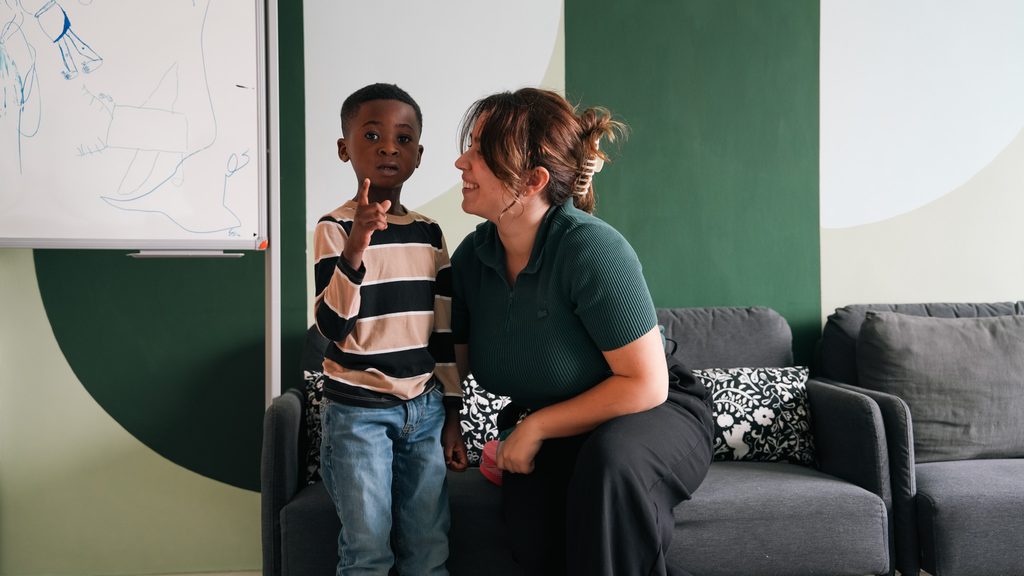
Changes in routine can be challenging for autistic children, especially during busy holidays. Help your child understand what to expect by explaining the day’s plans in advance. Visual schedules, pictures of relatives, and simple explanations can make unfamiliar situations more predictable. Bring familiar comfort items, such as a favorite toy, blanket, or noise-reducing headphones. Most importantly, remember that your child doesn’t have to participate in every activity to enjoy Thanksgiving.
2. Help Relatives Understand Your Child’s Needs
Sometimes, the biggest challenge during family gatherings isn’t the environment itself, but other people’s expectations.Relatives might wonder why your child avoids eye contact, doesn’t respond to questions, prefers familiar foods, or doesn’t want hugs. These moments are opportunities to build understanding.
Before Thanksgiving, consider sharing a simple message: “We’re excited to celebrate together! Our child might need quiet breaks, prefer familiar foods, or communicate differently. Please don’t feel offended if they need personal space or don’t want hugs. Giving them the freedom to participate at their own pace means a lot to us.” Autism awareness doesn’t always begin with a large campaign. Sometimes, it begins with helping one family member understand a child a little better.
3. Create a Sensory-Friendly Environment
Thanksgiving gatherings can be filled with sensory experiences: loud conversations, television, kitchen noises, unfamiliar smells, and crowded spaces. For children with sensory sensitivities, these experiences can become overwhelming. Try creating a quiet area where your child can take a break. Comfortable seating, soft lighting, and familiar objects can help make the space more relaxing. Allow your child to step away without pressure to rejoin immediately. Remember, taking a sensory break isn’t avoiding the celebration. It’s a way of supporting self-regulation.
4. Respect Food Preferences and Communication Differences
Thanksgiving dinner is an important tradition, but unfamiliar food textures, smells, and flavors can be difficult for children with food sensitivities. Offer familiar foods alongside traditional dishes, and avoid pressuring your child to try something new. The same understanding applies to communication.
Some autistic children communicate through speech, while others use gestures, pictures, or augmentative and alternative communication (AAC) devices. Some need additional time to process questions or prefer not to make eye contact. Encourage relatives to respect these differences rather than expecting every child to interact in the same way. A wave instead of a hug, a quiet activity instead of a group conversation, or eating separately from the main table can all be valid ways to participate.
5. Understand Stimming and Emotional Regulation
During an exciting or overwhelming gathering, your child might engage in repetitive movements or sounds, commonly known as stimming. Hand-flapping, rocking, humming, or pacing can help autistic children regulate sensory experiences, express excitement, or manage emotions.
Instead of asking your child to stop harmless stimming, help relatives understand why it happens. If your child becomes overwhelmed, offer a quiet environment, reduce demands, and allow time to recover. The goal isn’t to make an autistic child behave like everyone else. It’s to create an environment where they feel comfortable being themselves.
6. Make Inclusion Part of Your Family Traditions
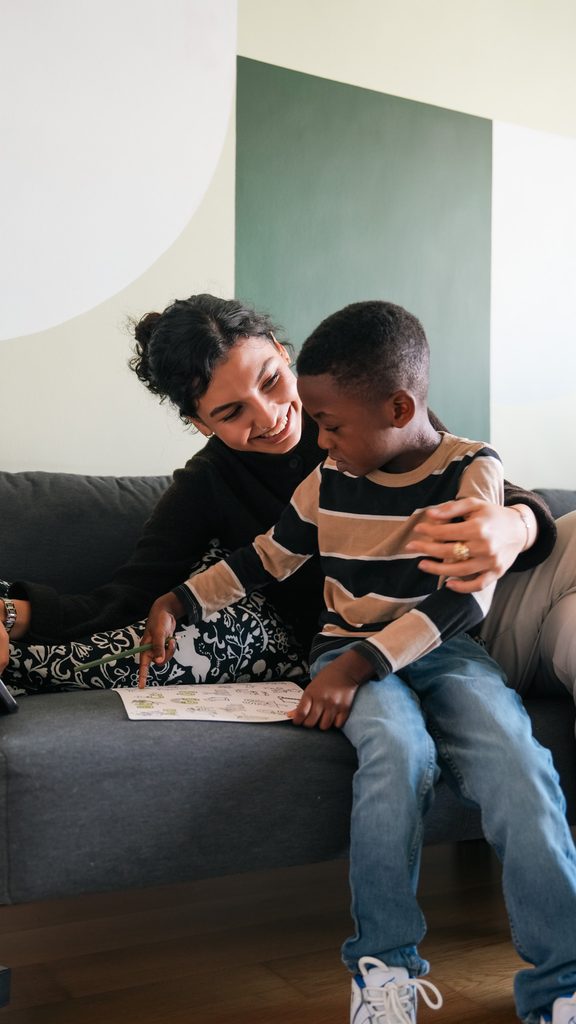
Inclusion doesn’t mean everyone has to celebrate Thanksgiving in exactly the same way. One child might enjoy decorating the table, another might prefer watching the Thanksgiving parade, and another might feel happiest spending time with one familiar relative. Offer choices and build traditions around your child’s interests and comfort.
Thanksgiving is also an opportunity to teach younger family members about autism in simple, respectful ways. If a cousin asks why your child wears headphones, you might explain: “Sometimes loud sounds feel uncomfortable, and the headphones help make things easier.” Small conversations like this can help replace misunderstandings with acceptance. Remember, parents need support, too. It’s okay to ask relatives for help, shorten your visit, or choose a quieter celebration. A successful Thanksgiving isn’t measured by how long your child stays at the table, but by whether they feel safe, respected, and included.
Conclusion
Thanksgiving reminds us to appreciate the people in our lives. But appreciation becomes even more meaningful when we take the time to understand one another. For families raising autistic children, that understanding might look like respecting sensory needs, accepting different ways of communicating, or simply allowing a child to participate at their own pace. This Thanksgiving, let’s make room for every kind of connection, every way of communicating, and every child at the table. Because autism awareness can begin with the people closest to us.
Frequently Asked Questions
How can I make Thanksgiving easier for my autistic child?
Prepare your child for the day’s activities, maintain familiar routines when possible, provide a quiet space for sensory breaks, and allow flexible participation.
What if my child becomes overwhelmed during a family gathering?
Offer a calmer environment, reduce sensory demands, and give your child time to regulate. Leaving early is also an option if the gathering becomes too demanding.
How can I help family members understand autism?
Explain your child’s needs using simple, everyday examples. Encourage relatives to respect communication differences, personal boundaries, and sensory preferences without making assumptions.