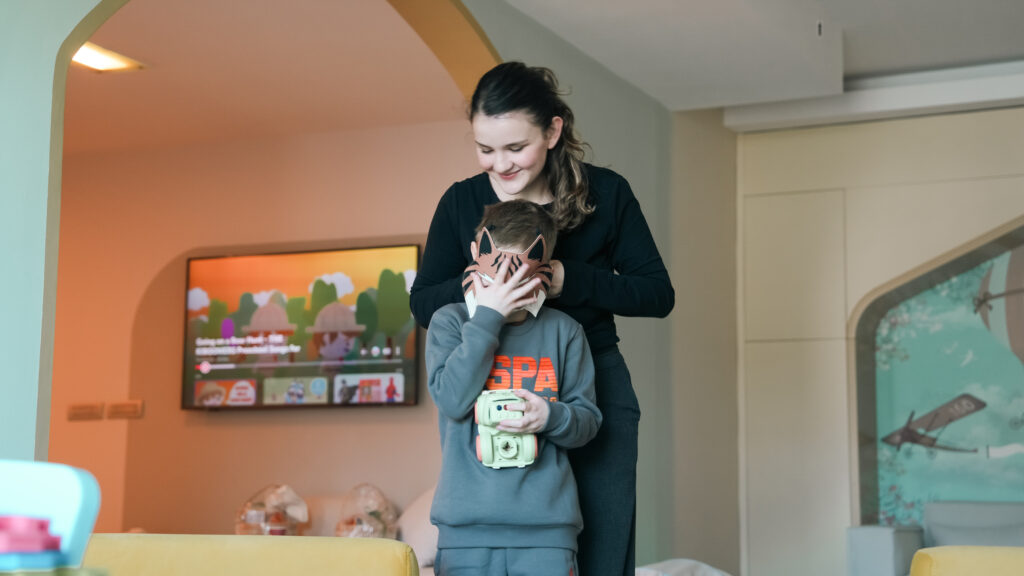
Introduction: The Hidden Effort Behind “Fitting In”
In social settings school classrooms, birthday parties, playgrounds, or family gatherings some autistic children appear calm, compliant, and socially fluent.
Yet once they return home, exhaustion, emotional outbursts, or withdrawal may follow.
This contrast is often explained by masking also called camouflaging a behavior pattern in which autistic individuals consciously or unconsciously hide natural traits to blend into social expectations.
Understanding masking is essential for parents, educators, and clinicians because while it may help a child navigate social spaces short term, long-term masking can carry emotional and psychological costs.
What Is Masking in Autism?
Masking refers to strategies autistic people use to appear neurotypical in social environments. These can include:
- Forcing eye contact
- Suppressing stimming behaviors
- Copying facial expressions or gestures
- Memorizing conversation scripts
- Hiding sensory discomfort
- Imitating peers
Clinicians describe masking as a coping mechanism, not deception. Many children adopt it to avoid negative attention, bullying, or misunderstanding.
Why Do Autistic Children Mask in Social Situations?
Research in developmental psychology and autism studies points to several common reasons:
Social Pressure
Children quickly sense when their behaviors differ from peers. Masking may become a way to avoid standing out.
Desire for Acceptance
Most children autistic or not want friendships and approval. Masking can feel like a survival strategy in unfamiliar environments.
School Expectations
Highly structured classrooms sometimes reward conformity, encouraging children to suppress natural regulation strategies.
Past Negative Experiences
Children who have been criticized or teased for autistic traits may learn to hide them to stay safe.
The Emotional Cost of Long-Term Masking
While masking may reduce immediate conflict, specialists warn that sustained camouflaging can contribute to:
- Chronic fatigue
- Anxiety
- Depression
- Burnout
- Loss of self-identity
- Increased meltdowns at home
Mental-health professionals often describe this pattern as “after-school collapse,” when children release pent-up stress once they reach a safe environment.
Parents sometimes misinterpret these reactions as behavioral regression when in fact, the child has simply run out of emotional energy.
How Parents and Educators Can Respond
Rather than discouraging all coping strategies, experts focus on reducing the need for masking by creating environments where children feel safe being themselves.
Helpful approaches include:
- Validating sensory needs
- Allowing movement breaks or quiet spaces
- Normalizing stimming behaviors
- Teaching peers about neurodiversity
- Supporting alternative communication methods
- Working with schools on accommodations
Open conversations are powerful too. Letting a child know that differences are respected and that they don’t have to perform to earn acceptance can significantly reduce emotional strain.
Masking, Development and Medical Support
Autism is a neurodevelopmental condition involving differences in communication, sensory processing, emotional regulation, and neurological connectivity.
Alongside behavioral and educational interventions, some families explore involving mesenchymal stem cells within the broader field of regenerative medicine.
Parents reading Stem Cell Therapy for Autism reviews are generally advised to focus on:
- Published clinical trials
- Safety and ethics oversight
- Transparent reporting
- Individualized evaluation
- Realistic expectations
At Linden Health, each child is evaluated individually and family needs are carefully considered, ensuring that discussions about any medical options remain cautious, ethical, and tailored to the child’s full developmental profile.
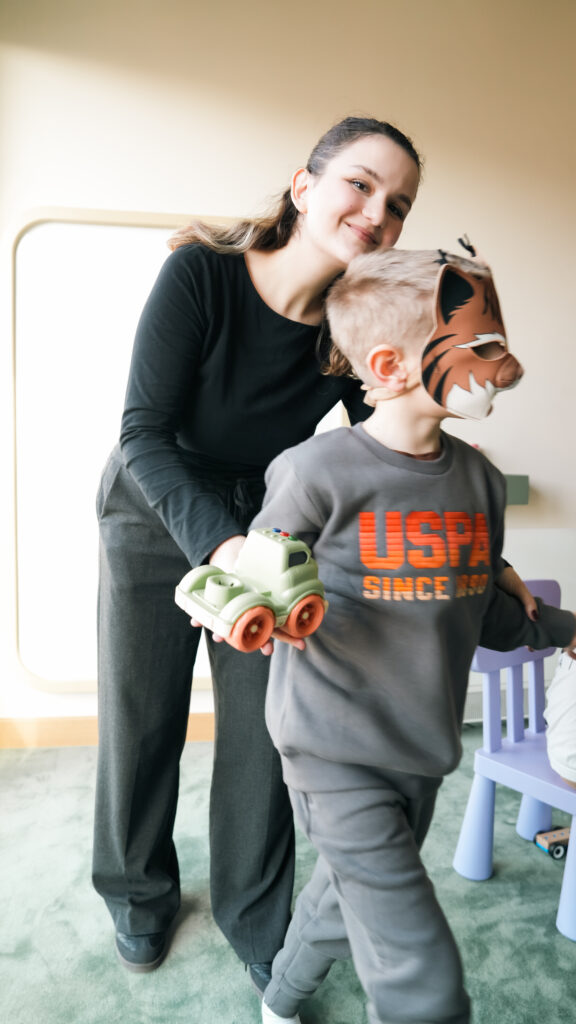
How to Tell If Your Child Is Masking
Some subtle signs include:
- Extreme tiredness after school or social events
- Emotional meltdowns only at home
- Reluctance to attend group activities
- Headaches or stomach aches without medical cause
- Perfectionism or fear of making mistakes
- Avoidance of social situations over time
If these patterns persist, consulting a developmental specialist or psychologist can help clarify what your child is experiencing and guide supportive strategies.
Conclusion: Creating Spaces Where Children Don’t Have to Hide
Masking in social environments is common among autistic children and often rooted in a desire to belong.
The long-term goal is not to eliminate coping skills, but to build environments where fewer masks are needed.
When children feel understood, accommodated, and valued, they are more likely to thrive academically, socially, and emotionally.
Should always be explored through reputable medical centers under ethical clinical oversight, such as Linden Health, where families are supported through individualized care.
If you would like to discuss your child’s needs or learn more about supportive options, feel free to message us and share your questions with our team.