Meta Description:
Autism prevalence varies widely across regions and appears to be rising globally. Learn what drives these patterns, what research really shows, and how families explore supportive options.

Introduction: Why Autism Rates Differ by Region
Autism Spectrum Disorder (ASD) is diagnosed worldwide, yet reported prevalence varies considerably between countries and even within regions of the same nation.
Some areas report significantly higher numbers of autistic children, leading families and researchers alike to ask:
- Why does autism appear more common in certain regions?
- Are rates truly increasing?
- Or are we simply getting better at identifying it?
Scientific consensus suggests the answer involves a complex interaction of diagnostic practices, awareness, genetics, environmental exposures, and access to healthcare services—rather than a single cause.
Understanding regional autism density helps policymakers plan services and helps families recognize that autism is a global neurodevelopmental condition, not a localized phenomenon.
How Autism Prevalence Is Measured
Reported autism rates rely heavily on:
- National screening programs
- Pediatric surveillance systems
- School-based evaluations
- Healthcare access
- Cultural perceptions of developmental differences
Countries with systematic early screening and strong diagnostic networks often report higher prevalence—not because autism is necessarily more common, but because fewer children are missed.
Epidemiologists emphasize that diagnostic expansion and increased awareness have contributed substantially to rising numbers over recent decades.
Which Regions Report Higher Autism Prevalence?
Large-scale surveillance programs in North America, parts of Europe, East Asia, and Australia often publish the highest figures.
By contrast, many low- and middle-income regions report lower prevalence—largely attributed to:
- Limited diagnostic infrastructure
- Fewer trained clinicians
- Social stigma
- Reduced access to developmental services
Global health researchers widely agree that autism is under-identified in many parts of the world.
Why Autism Rates Appear to Be Increasing
Most researchers attribute rising prevalence to several interacting factors:
Improved Identification
Broader diagnostic criteria and earlier screening capture children previously overlooked.
Greater Public Awareness
Parents, teachers, and physicians are more familiar with autism signs, leading to earlier referrals.
Access to Services
When therapy and educational supports expand, diagnosis rates rise accordingly.
Environmental Influences
Researchers continue to study prenatal and early-life exposures that may interact with genetic susceptibility, though no single environmental factor explains global patterns alone.
Urban Clusters and “Autism Hotspots”
Some cities or school districts report higher local prevalence. These clusters often reflect:
- Specialized diagnostic centers
- High awareness among pediatricians
- Migration of families seeking services
- Robust special-education programs
Such patterns do not necessarily imply a local environmental cause but rather concentrated access to evaluation and support.
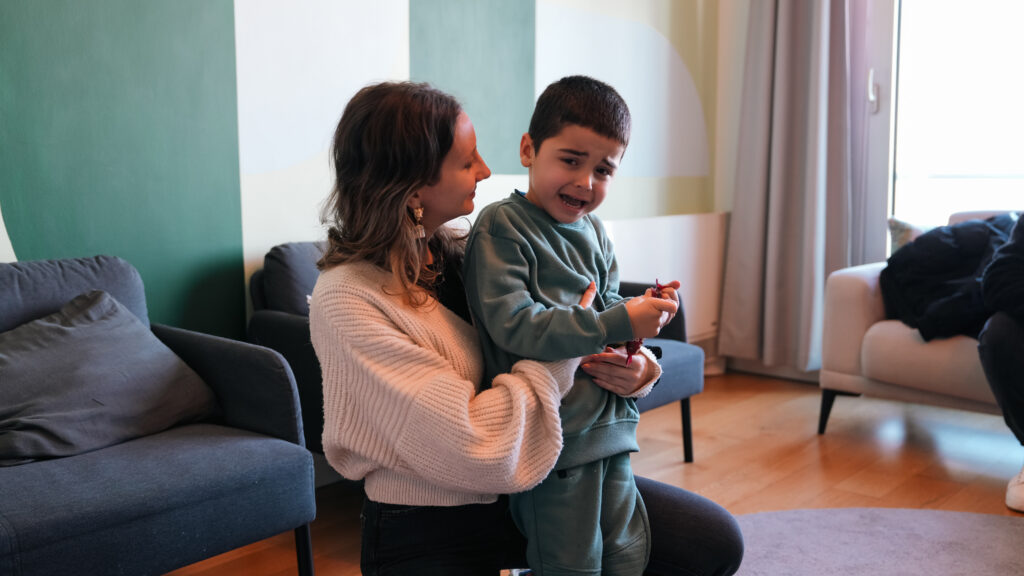
The Family Impact of Rising Autism Recognition
As autism identification increases globally, more families seek:
- Early behavioral therapies
- Speech and occupational therapy
- Educational accommodations
- Medical evaluations
This growing demand has fueled interest in areas of research such as regenerative medicine and Stem Cell Therapy Autism research, particularly studies involving mesenchymal stem cells exploring immune modulation and neuroinflammation pathways.
Conclusion: A Global Condition Requiring Thoughtful Support
Autism is recognized in every part of the world, and reported prevalence continues to rise—primarily due to better detection, broader definitions, and improved access to diagnosis.
Regional differences reflect healthcare systems more than biology alone.
For families navigating next steps, education, early intervention, and careful evaluation remain central.
Approaches should always be explored through reputable medical centers under ethical clinical oversight. At Linden Health, each child is assessed individually and family needs are guided by medical decision-making.
If you’d like to learn more or discuss your child’s situation, feel free to message us and share your questions with our team.