The Birthday Party Survival Guide: Strategies for Navigating Neurodiverse Social Events
For parents in the autism community, a colorful birthday invitation can feel less like a celebration and more like a tactical challenge. While other parents are worrying about the gift or the carpool, you are likely mentally mapping out the venue’s exits, calculating the decibel level of a dozen screaming toddlers, and wondering if the “Happy Birthday” song will trigger a sensory meltdown.
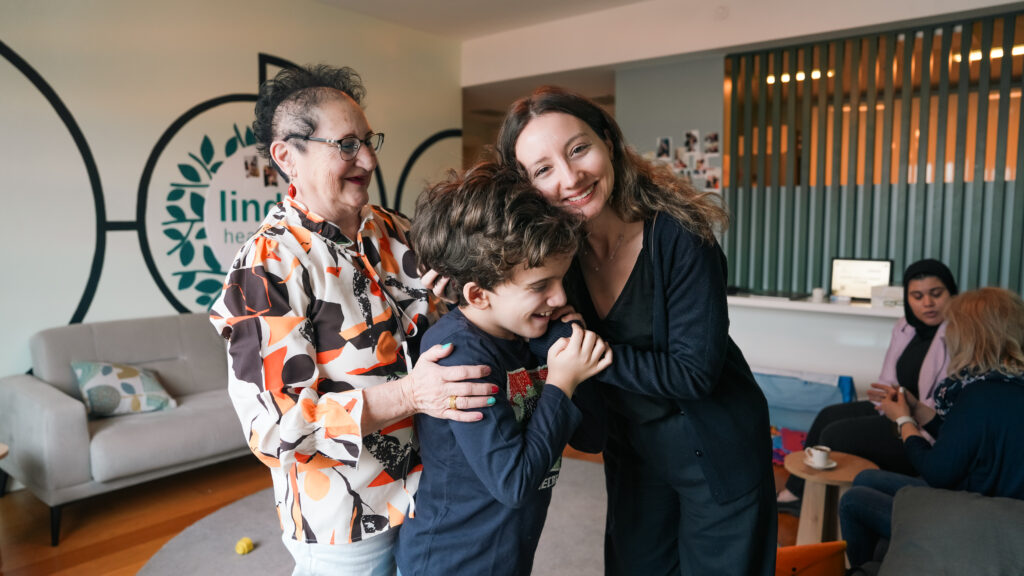
At Linden Clinic, we understand that social inclusion is a vital part of development, but we also know that traditional party environments aren’t built with neurodivergent sensory profiles in mind. Navigating these events requires more than just “trying your best”—it requires a clinical strategy rooted in autism advocacy and proactive regulation.
1. Priming and Predictability: Reducing Transition Anxiety
One of the most common traits of Autism Spectrum Disorder (ASD) is a profound need for routine. When an environment is unpredictable, the brain stays in a state of “high alert,” leaving very little cognitive energy for social interaction.
● Social Narratives and Visual Priming: Don’t just talk about the party; show it. Create or download a Social Story that explicitly details the sequence of the afternoon. Use clear language: “First we will walk in, then we will put the gift on the table, then there will be loud music, and finally, we will have cake.”
● The Power of the Pre-Visit: If the party is at a public venue like a trampoline park or a local “soft play” center, visit the location a few days prior during a quiet hour. Allow your child to stand in the space, smell the air, and see the equipment without the added pressure of 20 other children. This “environmental desensitization” is a cornerstone of occupational therapy.
2. Sensory Engineering: Protecting the Nervous System
A birthday party is a sensory “perfect storm”: flashing lights, high-pitched voices, physical proximity to strangers, and unpredictable noises. To keep your child regulated, you must provide them with the tools to “filter” this input.
● Noise Management: High-fidelity ear defenders or noise-canceling headphones are essential. In an environment where a balloon might pop at any second, these provide a “safety net” that allows the child to stay in the room rather than fleeing the venue.
● The “Safe Food” Bento Box: Many children on the spectrum experience sensory food aversions or have specific dietary protocols like GFCF (Gluten-Free, Casein-Free). Do not rely on the party host to accommodate these needs. Packing a
“Safe Box” of preferred textures ensures your child’s blood sugar stays stable—a key factor in preventing emotional dysregulation.
● Stimming is Self-Care: If you see your child hand-flapping, rocking, or spinning, do not feel pressured to “stop” the behavior to fit in. These are self-stimulatory behaviors (stims) that help the nervous system process overwhelming data. Encouraging safe stimming can actually prevent a full-blown sensory shutdown.
3. Managing Social Expectations: The Case for Parallel Play
There is a common misconception that for a party to be “successful,” an autistic child must be in the middle of the group, playing the games, and making eye contact. At Linden Clinic, we challenge this neurotypical standard.
● Respecting Different Play Styles: Parallel play—where a child plays near others but not directly with them—is a valid and healthy form of socialization for neurodivergent individuals. If your child is happily lining up cars in a quiet corner while others play “Pin the Tail on the Donkey,” they are participating in the way that feels safe for them.
● The “Quiet Space” Protocol: Before the party begins, identify a “Low-Arousal Zone.” This might be a quiet bedroom, a porch, or even the backseat of your car. Proactively take your child to this space before they reach their limit. Think of it like a “sensory reset button.”
4. Advocacy Over Apology: Communicating with the Host
Many parents feel a sense of “autism parent guilt,” feeling the need to apologize for their child’s support needs. At Linden Clinic, we encourage a shift toward proactive advocacy.
● Clear Communication: Send a brief, professional note to the host: “We are so excited to celebrate with you! Just a heads-up that [Child’s Name] has some sensory sensitivities to loud noises. We’ll be bringing headphones and might need to step away for a quiet break now and then. Thank you for making space for them!”
● The “Happy Birthday” Exit: The singing of the birthday song is often the most dysregulating moment of the event. It is perfectly acceptable to step outside or into another room during the song and return once the candles are blown out.
5. The “Quality Over Quantity” Rule: Knowing When to Fold
In the world of behavioral intervention, we prioritize the “positive exit.” It is infinitely better to stay for 30 minutes and leave while your child is happy than to stay for two hours and leave in the middle of a sensory meltdown.
● Watch the Threshold: Learn your child’s “tells”—flushed cheeks, increased vocalizations, or sudden withdrawal. When you see these, it is time to go. ● Guilt-Free Departure: You do not owe anyone a three-hour stay. A short, successful social “win” builds your child’s confidence for the next invitation.
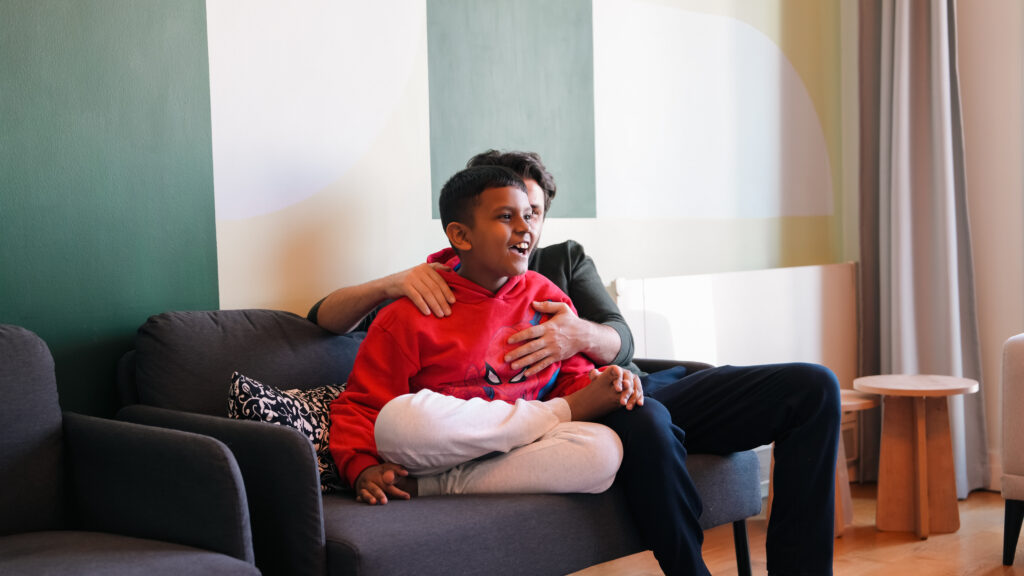
Final Thoughts: The Goal is Connection, Not Perfection
A birthday party isn’t a test of your parenting or your child’s “compliance.” It’s an opportunity for a shared experience. If you only stay for twenty minutes, but those twenty minutes were calm and happy, that is a massive victory for your autism journey.
Are you struggling with social transitions or sensory processing? At Linden Clinic, we specialize in helping families navigate the complexities of neurodiversity. Contact us today to learn more about our behavioral support services and how we can help your child thrive in social settings.
SEO Keywords included: Autism parenting, sensory overload, neurodivergent, ABA therapy, sensory meltdown, Social Stories, sensory processing, Linden Clinic, autism social skills, parallel play, ARFID, AAC communication.