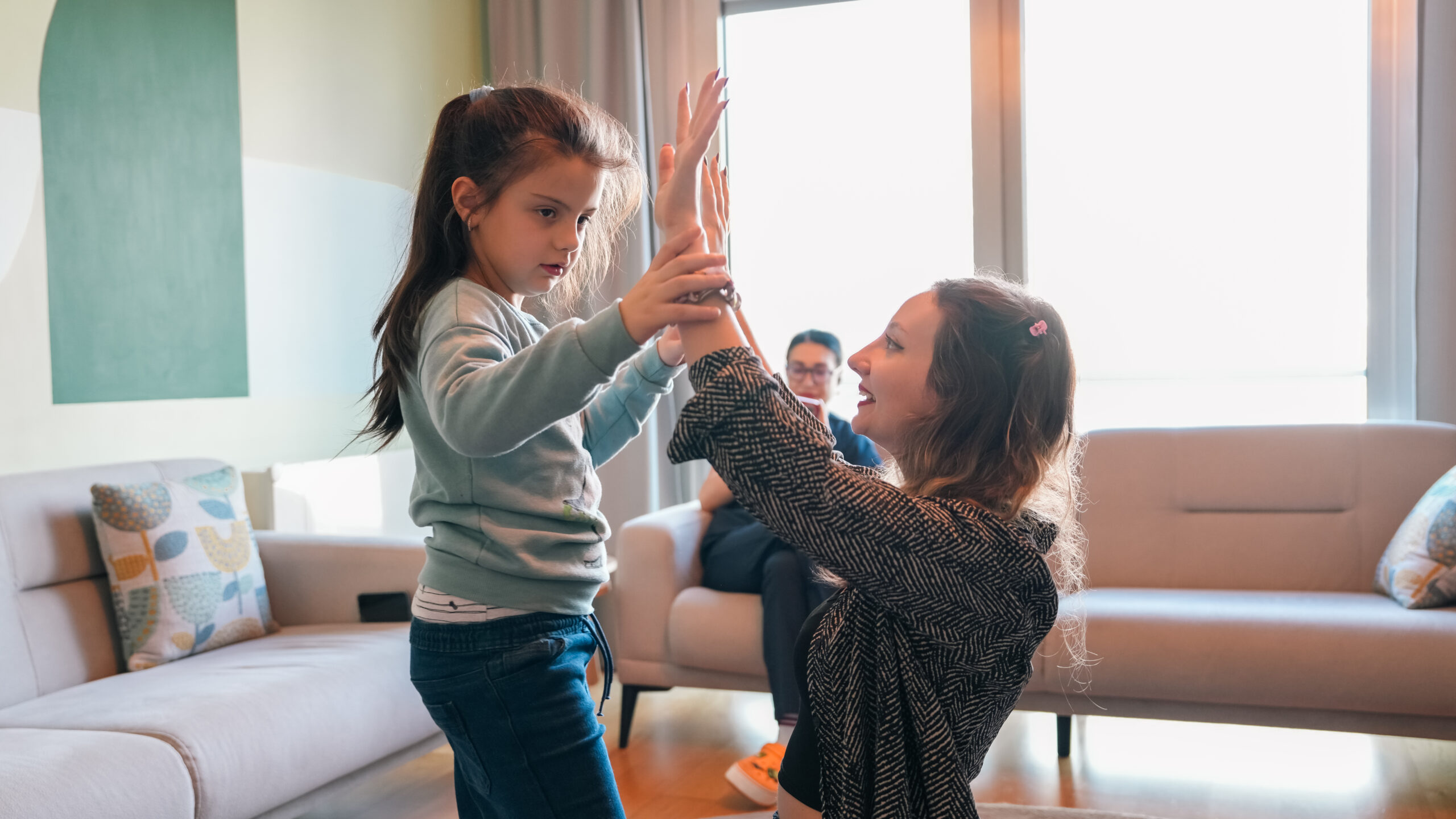

Communication is one of the most important areas of development for children with autism spectrum disorder (ASD). While some children develop spoken language naturally, others may be nonverbal or minimally verbal, relying on gestures, pictures, or assistive communication systems to express themselves.
For many parents, one of the biggest questions is:
“How can I help my child communicate more effectively?”
The encouraging news is that communication can be supported in many different ways. Through early intervention, speech therapy, structured routines, family involvement, and individualized autism therapy, children can develop skills that help them better connect with the people around them.
Below are seven practical, evidence-based strategies that families and professionals commonly use to encourage communication in children with autism.
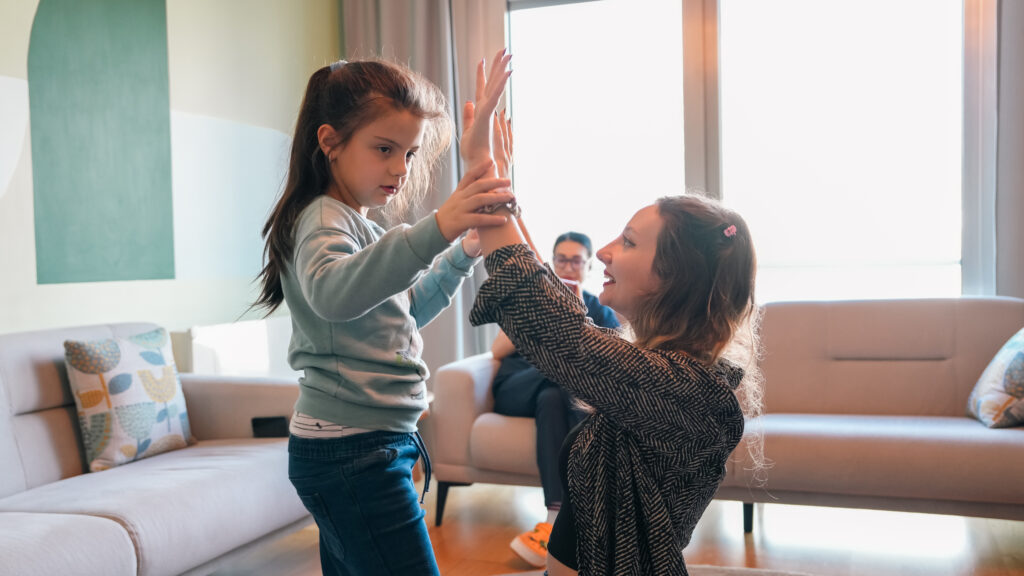
1. Follow Your Child’s Interests
One of the most effective communication strategies for autism begins with something simple: joining your child in activities they already enjoy.
Instead of directing play, observe what naturally captures your child’s attention.
For example:
- building blocks
- bubbles
- puzzles
- toy cars
- favorite books
When communication happens around preferred activities, children are often more motivated to engage.
Speech-language pathologists frequently use this child-led approach because it creates natural opportunities for interaction rather than forcing conversation.
2. Create Opportunities to Communicate
Children communicate more when they have meaningful reasons to do so.
Rather than anticipating every need immediately, create gentle opportunities for your child to initiate communication.
Examples include:
- placing a favorite toy slightly out of reach
- offering choices between two snacks
- pausing before opening a container
- waiting before giving a requested item
These situations encourage children to communicate using:
- words
- gestures
- pointing
- pictures
- communication devices
Every communication attempt deserves recognition, regardless of whether it is verbal.
3. Use Visual Supports
Many autistic children process visual information more easily than spoken language.
Helpful visual supports include:
- picture cards
- visual schedules
- choice boards
- first-then boards
- communication books
Visual supports reduce uncertainty and help children understand expectations.
They are particularly beneficial for children with nonverbal autism communication or minimally verbal autism.
4. Read, Sing, and Talk Throughout the Day
Communication does not only happen during therapy sessions.
Daily routines offer countless opportunities to strengthen autism language development.
Simple activities include:
- reading picture books together
- singing familiar songs
- describing everyday activities
- talking during meals
- narrating play
Children benefit from hearing language used repeatedly in meaningful situations.
This supports both autism speech development and receptive language skills.
5. Give Your Child Time to Respond
Many autistic children need extra processing time before responding.
After asking a question or giving a prompt:
- pause
- wait quietly
- allow the child time to think
Avoid repeating the same question immediately.
This strategy reduces pressure while encouraging independent communication.
Experienced therapists often emphasize that waiting is one of the most powerful communication tools parents can use.
6. Celebrate Every Form of Communication
Communication is much more than spoken words.
Children may communicate through:
- eye gaze
- pointing
- gestures
- facial expressions
- sign language
- AAC devices
- pictures
- vocal sounds
Recognizing and responding to these attempts reinforces communication and builds confidence.
For many children, spoken language develops gradually alongside other communication methods.
7. Work With a Multidisciplinary Team
Communication develops best when families and professionals work together.
A comprehensive autism support team may include:
- speech-language pathologists
- occupational therapists
- behavioral therapists
- developmental pediatricians
- psychologists
This collaborative approach allows communication goals to be reinforced consistently across:
- home
- school
- therapy sessions
- community settings
Family involvement remains one of the strongest predictors of long-term progress.
The Role of Speech Therapy in Autism Communication
Autism speech therapy remains one of the primary interventions for supporting communication development.
Speech-language pathologists help children develop:
- expressive language
- receptive language
- social communication skills
- conversation abilities
- play-based interaction
- alternative communication systems when appropriate
Goals are individualized according to each child’s developmental profile rather than age alone.
Why Early Intervention Matters
Research consistently supports the value of early intervention for autism.
Early developmental support allows children to strengthen communication skills during periods of rapid brain development.
Early intervention programs often combine:
- speech therapy
- behavioral intervention
- occupational therapy
- parent coaching
- developmental play
Starting support early gives families more opportunities to reinforce communication during everyday life.
Tracking Autism Progress Over Time
Communication growth is often gradual.
Instead of focusing only on spoken words, families may notice progress through:
- increased eye contact
- more frequent requests
- improved joint attention
- greater use of gestures
- longer interactions
- better understanding of instructions
- increased participation in play
Keeping a simple journal or video diary can help parents recognize meaningful improvements that might otherwise go unnoticed.
Many autism specialist clinics also encourage structured autism progress tracking during follow-up visits to monitor developmental changes over time.
Where Stem Cell Therapy Fits Into a Comprehensive Autism Treatment Plan
Communication development is influenced by many factors, including learning opportunities, environmental support, and underlying brain function.
For this reason, autism care is increasingly viewed as a multidisciplinary process.
Alongside speech therapy, behavioral intervention, occupational therapy, and parent education, families explore regenerative medicine for autism, including stem cell therapy for autism, as part of a broader treatment plan.
In regenerative medicine, stem cell therapy is used because stem cells interact with surrounding tissues and support biological processes involved in cellular communication and neural regulation.
Researchers continue to study how these biological mechanisms relate to communication, attention, behavior, and cognitive development in autism.
Families report improvements in communication, attention, and social engagement following stem cell treatment for autism, particularly when treatment is combined with ongoing developmental therapies.
Rather than replacing established interventions, stem cell therapy is integrated into a comprehensive autism treatment plan that continues to prioritize evidence-based therapies and individualized developmental goals.
Supporting Parents Along the Journey
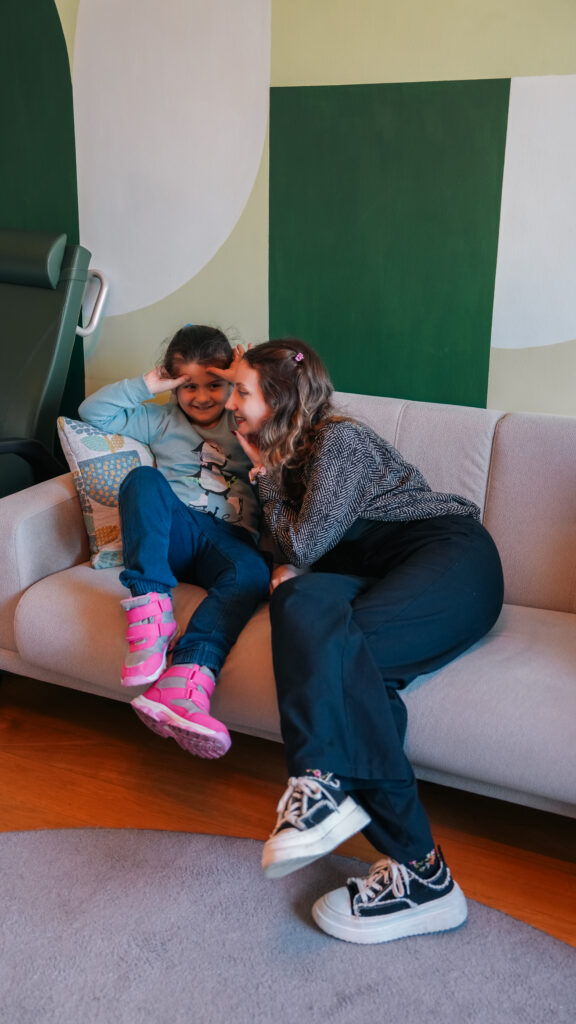
Helping a child communicate is a long-term process, and parents play an essential role every day.
Families benefit from:
- consistent routines
- realistic expectations
- regular collaboration with therapists
- celebrating small milestones
- ongoing autism parent support
Every interaction—whether during meals, playtime, or bedtime—is another opportunity to encourage communication.
Conclusion: Every Communication Attempt Matters
Communication is not measured only by the number of words a child speaks. It is measured by their ability to connect, express needs, share experiences, and build relationships.
By combining speech therapy, family involvement, structured communication strategies, and early intervention, children with autism can continue developing meaningful communication skills at their own pace.
For families seeking comprehensive autism care, working with an experienced autism specialist clinic allows communication goals to be supported through coordinated therapies and, when medically appropriate, broader approaches such as regenerative medicine and stem cell therapy for autism.
Every child communicates differently. With patience, consistency, and individualized support, each new gesture, sound, word, or shared moment becomes an important step forward.