
Meta Description: Finding healthy snacks for children with sensory sensitivities can be challenging. Discover practical, autism-friendly snack ideas and strategies that support nutrition without overwhelming sensory preferences.
Providing healthy snacks for children with Autism Spectrum Disorder (ASD) can sometimes feel like a balancing act between nutrition and sensory comfort. Many children with sensory sensitivities experience strong reactions to texture, smell, temperature, or appearance of food, which can make even simple snacks difficult to accept.
Because of this, “healthy eating” is not only about nutrition content—it is also about creating foods that are sensory-friendly, predictable, and acceptable to the child. When snacks are designed with sensory needs in mind, children are more likely to accept them consistently and without stress.
The goal is not to force variety, but to gradually support balanced nutrition within the child’s comfort zone.
Understanding Sensory Sensitivities Around Food
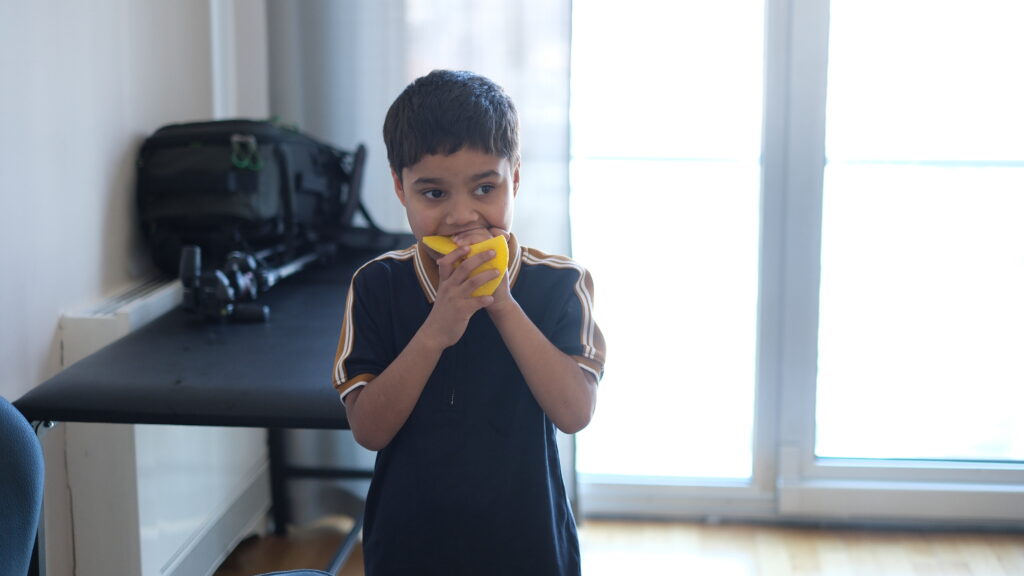
Children with autism may experience food differently due to sensory processing differences. A snack that seems simple or neutral to one person may feel overwhelming or unpleasant to another.
Some children may avoid foods that are too crunchy, while others may reject anything too soft or mixed in texture. Strong smells, bright colors, or unexpected combinations can also lead to refusal.
These sensitivities are not behavioral choices but genuine sensory experiences. Recognizing this helps shift the approach from “picky eating” to “sensory-informed eating support.”
When children feel safe with food sensory experiences, they are more likely to engage with eating over time.
Principles for Choosing Sensory-Friendly Snacks
When selecting snacks for children with sensory sensitivities, consistency and predictability are often more important than variety.
Many children prefer foods that are familiar in texture and appearance. This means that small, controlled changes are usually better tolerated than introducing completely new foods.
Simple combinations are often easier for children to accept than mixed or complex textures. For example, separate components may be preferred over combined dishes.
Temperature can also matter. Some children prefer room-temperature foods, while others consistently choose cold or warm snacks.
Understanding these patterns can help parents make more successful snack choices.
Safe and Familiar Snack Options
Many children with sensory sensitivities benefit from snacks that are simple, predictable, and low in sensory intensity.
Examples may include:
- Plain gluten-free crackers or rice cakes
- Soft fruits such as bananas or peeled apples
- Casein-free yogurt with smooth texture (without chunks)
- Smooth nut or seed butters (if appropriate)
- Plain gluten-free muffins with consistent texture
- Boiled eggs (for children who tolerate them)
These options are often well accepted because they avoid strong sensory contrasts and maintain a consistent structure.
Familiarity plays a key role in acceptance, so repeating preferred snacks is not a limitation—it is a foundation for stability.
Gradual Expansion Through Food Chaining
Expanding snack variety is often most successful when done gradually rather than through sudden change.
Food chaining is a commonly used strategy where new foods are introduced by making small, incremental changes to foods the child already accepts.
For example, if a child enjoys plain crackers, a slightly different brand or shape may be introduced first, followed later by a mild variation in flavor or texture.
This gradual progression helps reduce sensory shock and builds familiarity over time.
The key is to maintain a strong connection between the new food and the familiar one.
Maintaining Predictability in Snack Time
Children with autism often feel more comfortable when routines are consistent. Snack time is no exception.
Having snacks at predictable times and in familiar settings can reduce anxiety and improve willingness to eat. Serving snacks in the same place or using consistent containers can also increase comfort.
Sudden changes in presentation or timing may lead to resistance, even if the food itself is familiar.
Predictability creates a sense of safety, which is an important foundation for eating behavior.
Encouraging Exploration Without Pressure
One of the most important principles in supporting sensory-sensitive eating is reducing pressure. Children are more likely to explore foods when they do not feel forced to eat them.
Exploration can happen in many forms before actual eating occurs. A child might look at a food, touch it, smell it, or simply have it present on their plate without being required to consume it.
These small steps help reduce fear or discomfort associated with unfamiliar foods.
Over time, repeated exposure without pressure can naturally increase curiosity and acceptance.
Supporting Nutrition Within Sensory Limits
While expanding variety is a long-term goal, it is equally important to ensure that children are receiving adequate nutrition within their current preferences.
This may involve offering nutrient-dense versions of foods the child already accepts or gently enriching familiar foods when possible.
For example, if a child prefers a specific type of yogurt, it may be useful to choose versions with added nutrients or gradually introduce small changes in texture if tolerated.
Working within existing preferences often leads to more sustainable progress than attempting rapid dietary changes.
When to Seek Additional Support
If a child’s diet is extremely limited or there are concerns about growth, energy levels, or nutrient intake, it may be helpful to seek professional guidance.
Healthcare professionals such as pediatricians, dietitians, occupational therapists, or feeding specialists can assess sensory and nutritional needs and develop individualized strategies.
Early support can help prevent long-term feeding challenges and reduce stress around eating for both the child and the family.
Final Thoughts
Healthy snack choices for children with sensory sensitivities are not only about nutritional value, but also about sensory comfort, predictability, and emotional safety.
When snacks are aligned with a child’s sensory profile, eating becomes less stressful and more consistent. Over time, gentle exposure and gradual changes can help expand food variety without overwhelming the child.
There is no single “perfect” diet for every child. Instead, there is a personalized path that respects sensory needs while supporting overall health.
Small, consistent steps—built on familiarity and trust—can create meaningful and lasting improvements in eating behavior and nutritional balance.